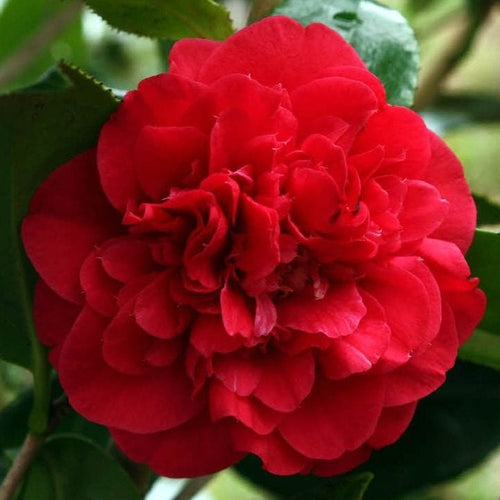
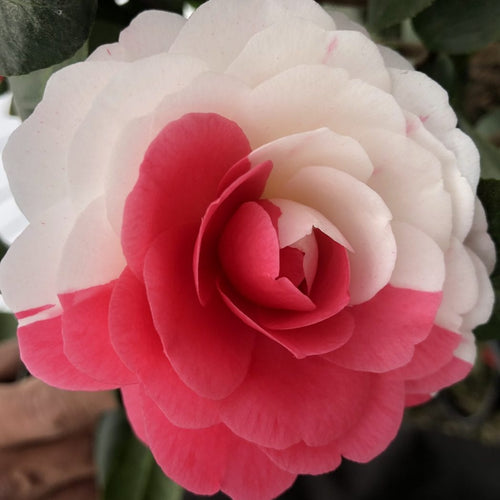
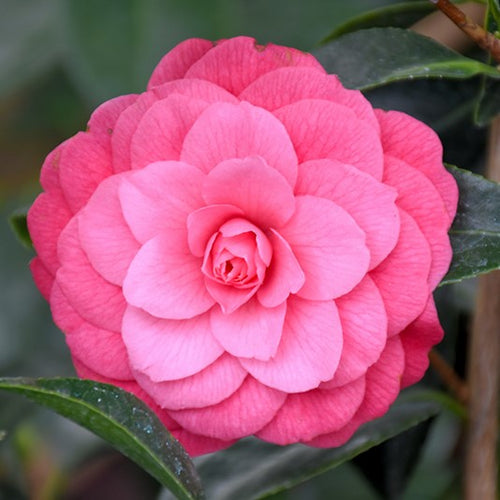
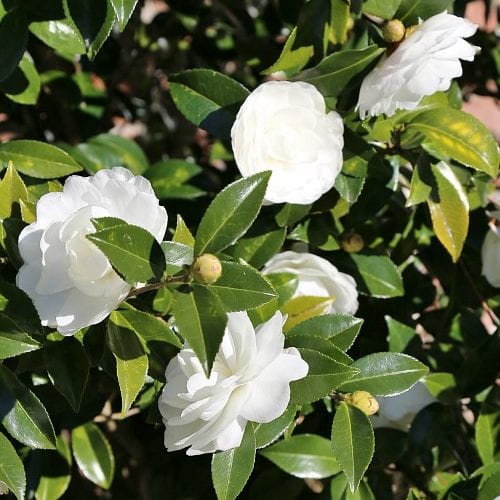
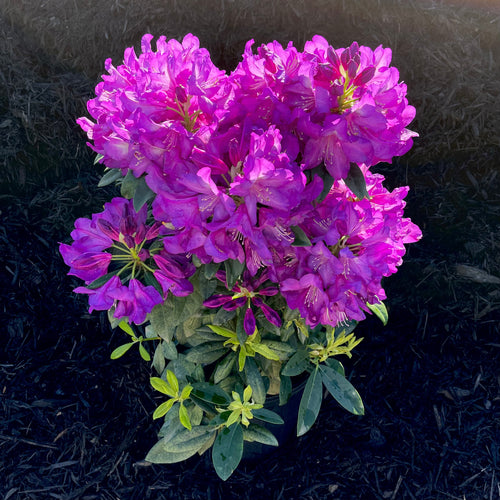
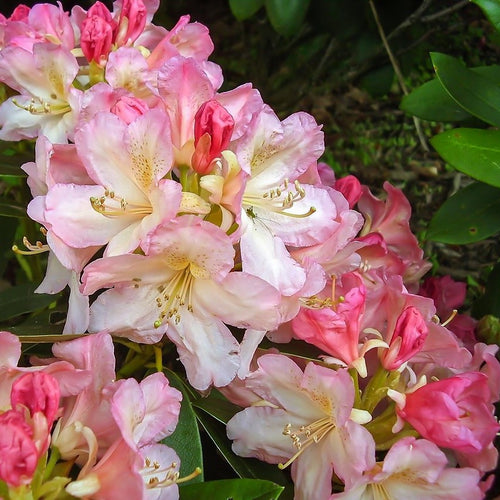
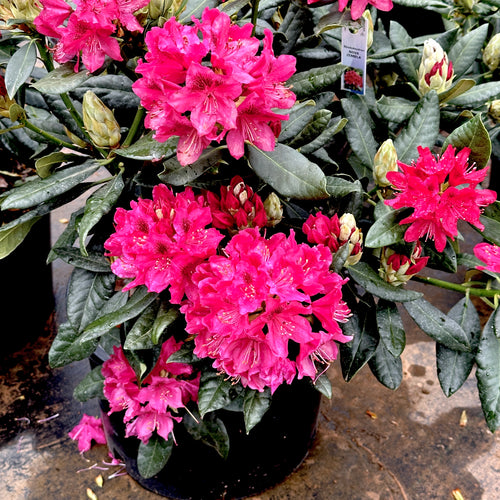
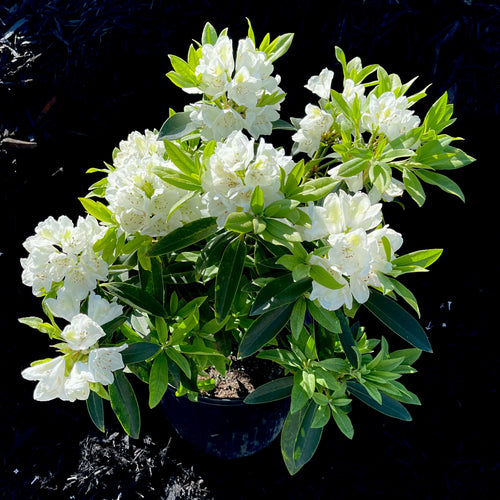
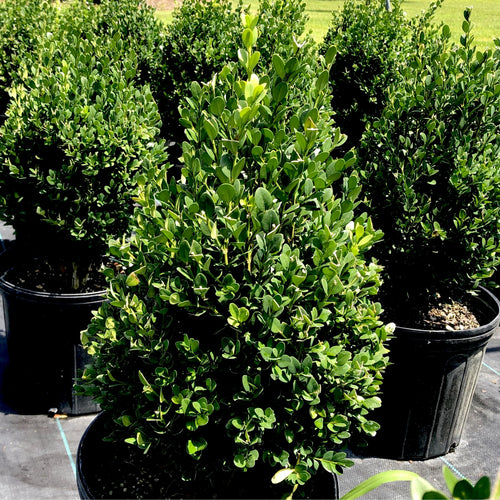
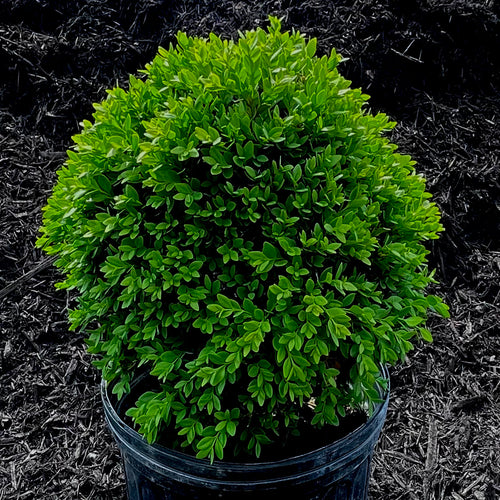
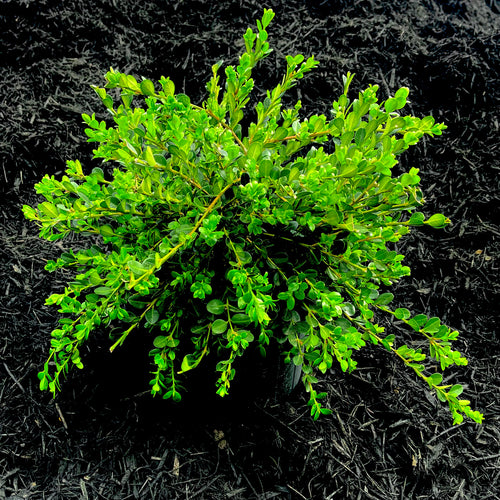





Professor Sargent Camellia, full, dark-red double flowers, often around four inches across
← Back to Popular Plants
Professor Sargent Camellia, full, dark-red double flowers, often around four inches across

Professor Sargent Camellia – 3 Gallon Container

$102.00
$102.00
$102.00
FREE Shipping on orders over $50

Camellia japonica 'Professor Sargent'

Professor Sargent Camellia brings full, dark-red double flowers, often around four inches across to a landscape that may otherwise be quiet in winter and early spring. Its evergreen foliage gives the shrub a useful role beyond bloom time, especially in gardens designed for year-round interest. Layered red petals create a substantial winter flower display. Rather than relying on flowers alone, this camellia adds shape and a glossy green presence to a sheltered planting.

Allow for a mature size of 6–8 feet tall and 4–6 feet wide. A well-chosen location will let the plant develop its natural form without frequent heavy pruning. The dense, glossy leaves provide a handsome backdrop between flowering seasons. The combination of persistent leaves and a memorable flower display makes Professor Sargent a rewarding choice for gardeners who enjoy seasonal details.

Why Gardeners Love Professor Sargent Camellia

- Distinctive flowers: Layered red petals create a substantial winter flower display

- Evergreen structure: Glossy foliage keeps the planting attractive even when the flowers have finished.

- Landscape versatility: The dense, glossy leaves provide a handsome backdrop between flowering seasons

- Seasonal interest: The full, dark-red double flowers, often around four inches across offer welcome color in the cool-season garden; exact flowering dates depend on local weather.

- Thoughtful garden pairing: It combines naturally with azaleas, rhododendrons, ferns, and other plants that appreciate acidic, well-drained soil.

Where to Plant Professor Sargent Camellia

Consider a shaded foundation bed or informal evergreen screen. Choose morning sun or bright filtered light with protection from harsh afternoon exposure, particularly in warmer climates. Give roots space and avoid low spots where rainwater collects. Place the shrub where its flowers can be enjoyed up close, but where it will also have enough room to grow into its expected size.

Growing and Care Tips

Plant in acidic, organically rich soil that drains freely. In heavy clay, improve a broad planting area with pine bark or organic matter and consider a slightly raised planting position rather than creating a water-holding pocket. Water deeply during establishment, then check soil moisture before watering again; aim for evenly moist soil, never soggy roots. Add a layer of mulch while keeping it clear of the trunk. If shaping is needed, prune lightly after flowering to avoid removing next season's buds. Protect exposed flower buds during severe freezes.

Explore a Related Plant

For another camellia with a different flower character, see Romany Camellia. Pairing two cultivars can create a richer display of flower forms and colors in a sheltered evergreen garden.

Hardiness Map
Mature Height: 7'
Mature Width: 5'
Flower Season: Spring
Sun: Full Shade
Hardiness Zone: 7 to 9
This plant is suitable for the low temperates below:
Temp (F)
Zone
Temp (C)
0 to 10
7
-17.8 to -12.2
10 to 20
8
-12.2 to -6.7
20 to 30
9
-6.7 to -1.1

Be sure to use a well drained soil medium when planting any Camellia as they prefer less watering than you might think. In NC our soil is clay so we prefer to use pine bark soil conditioner when planting Camellia, Rhododendron, Mountain Laurel, and Azalea.

Frequently Asked Questions