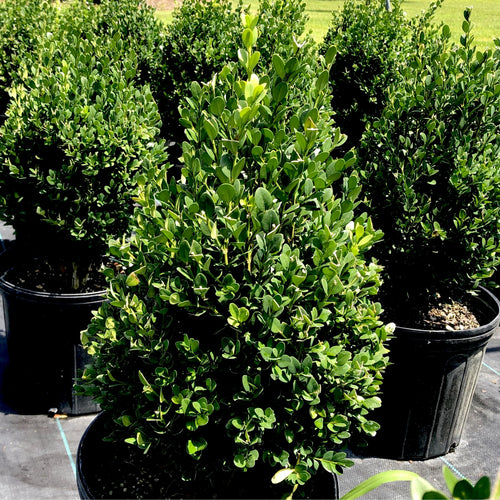
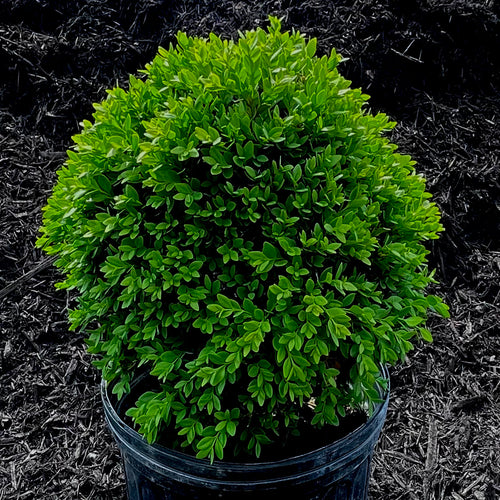
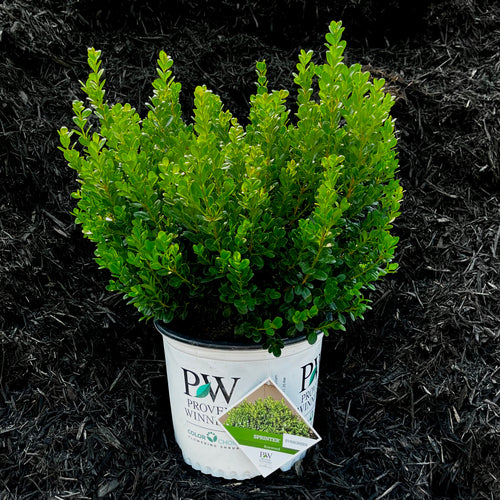
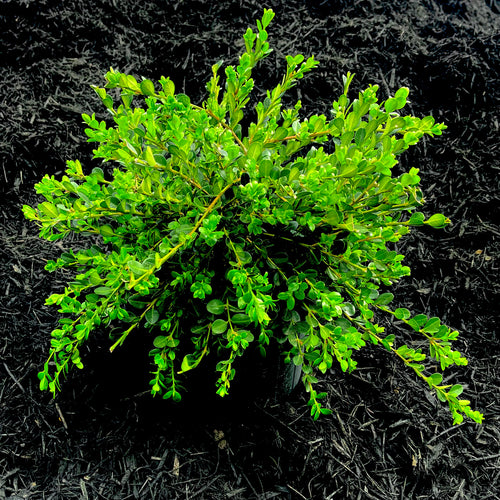
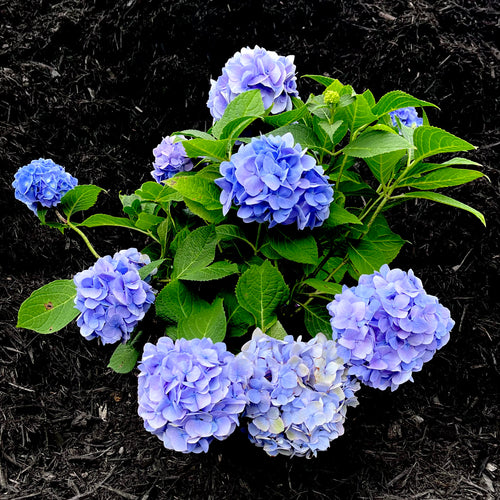
Hydrangea macrophylla ‘Hokomagrito’ Grin and Tonic™ USPP35207
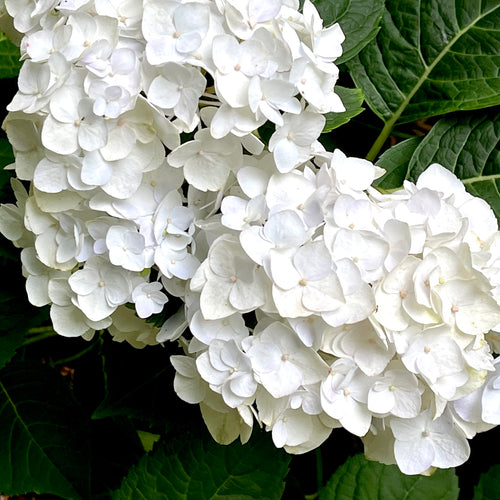
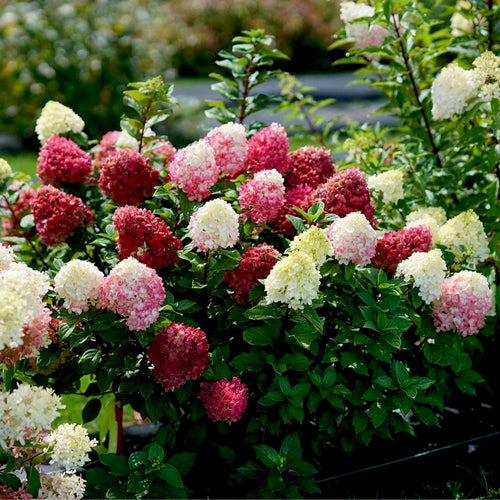
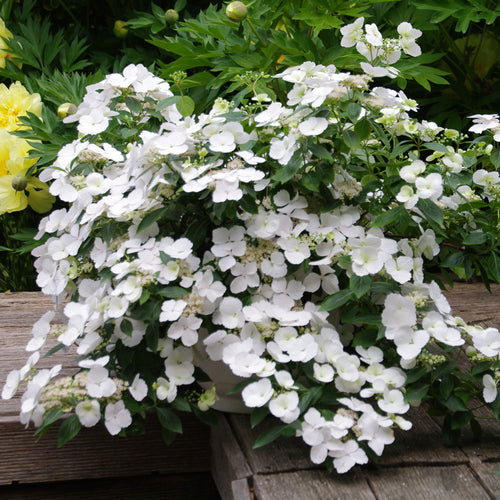
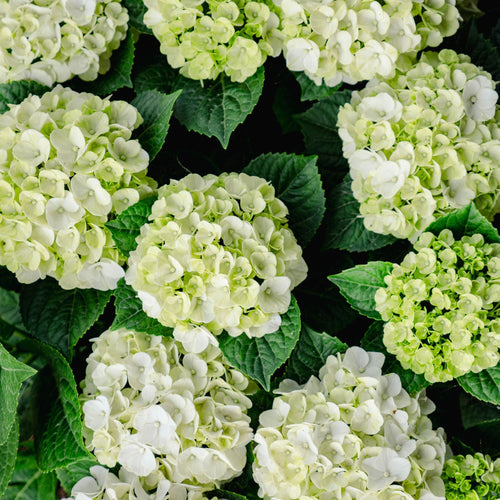
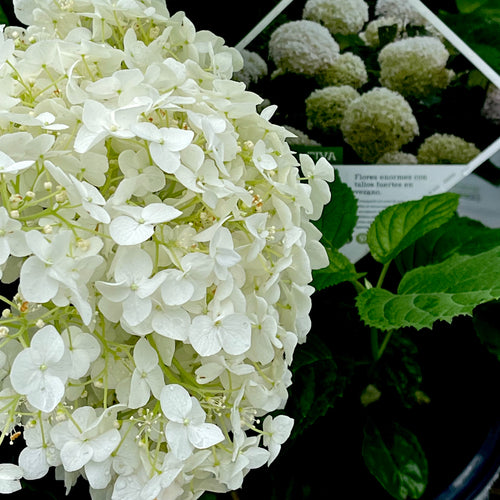
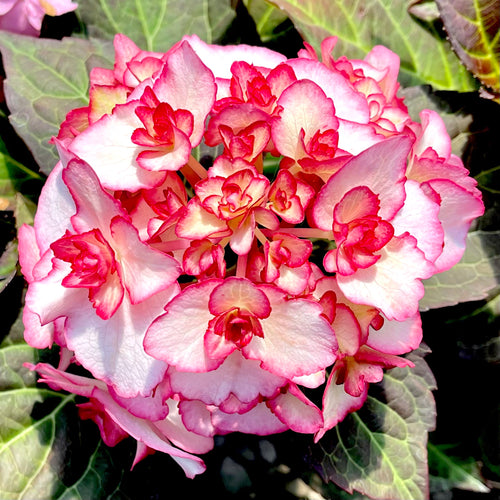
Grin and Tonic Reblooming Hydrangea offers rounded flower heads on a reblooming bigleaf hydrangea, giving a garden distinctive color, texture, and seasonal appeal. Its compact rounded growth habit can bring structure to borders, foundation beds, or a carefully selected focal point. Choose a position that showcases its natural outline without crowding nearby plants.
The mature size depends on cultivar and growing conditions. Allow space for the full spread rather than judging from the nursery container. Proper exposure, drainage, and room for air circulation help this plant establish and perform over the years.
Why Gardeners Love Grin and Tonic Reblooming Hydrangea
- Signature feature: Repeated flowers extend summer interest.
- Seasonal color: Compact growth fits borders and containers.
- Natural form: Lush leaves create a green backdrop.
- Landscape use: Flowers offer fresh-cut arrangement potential.
- Plant combinations: Other reblooming hydrangeas complement it.
Where to Plant Grin and Tonic Reblooming Hydrangea
Select morning sun and afternoon shade with well-drained soil and sufficient room for its natural shape. Consider how the foliage or flowers will look beside surrounding shrubs. Avoid persistently wet sites and give newly planted roots protection from severe drying winds.
Growing and Care Tips
Water thoroughly after planting, then monitor root-zone moisture during the first growing season. Apply mulch to conserve moisture while keeping it away from stems. As roots establish, adjust watering to rainfall, temperature, and soil drainage. Avoid heavy fertilizer unless plant growth indicates a need.
The main ornamental display occurs in summer into early fall. Prune selectively with clean tools to remove damaged growth and maintain the natural habit. For flowering shrubs, take care not to remove developing flower buds. Proper spacing and a suitable planting site generally reduce maintenance needs.
Explore a Related Plant
Explore Endless Summer Hydrangea for another plant with complementary landscape qualities. Compare mature size and growing conditions before planting together.