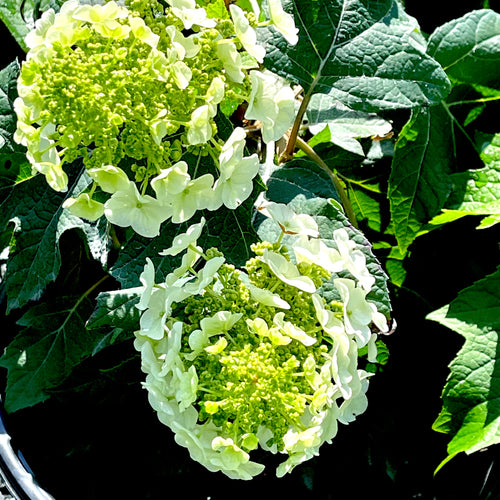
Hydrangea quercifolia 'Brenhill' USPP 25106
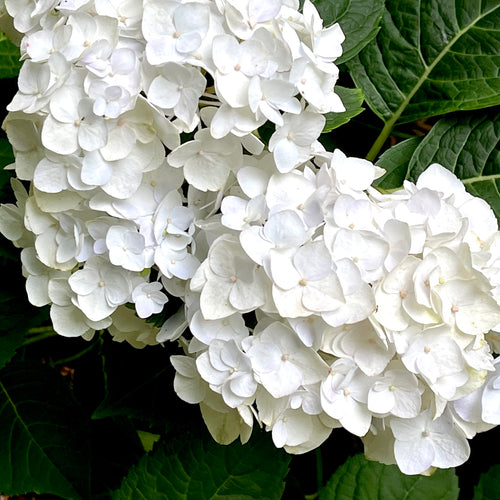
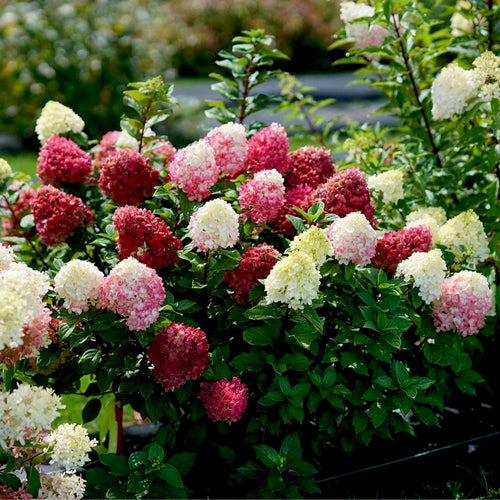
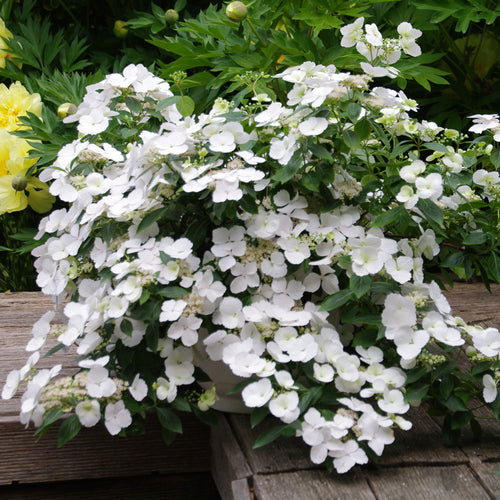
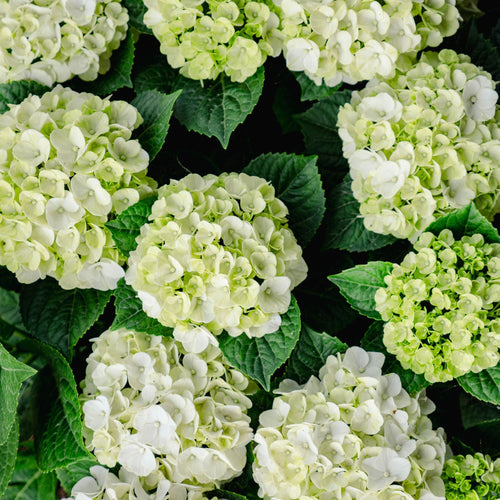
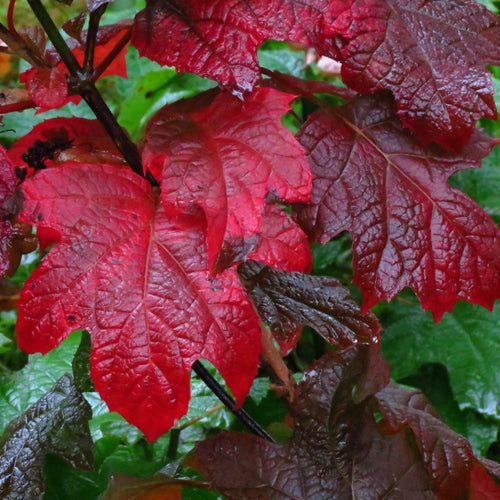
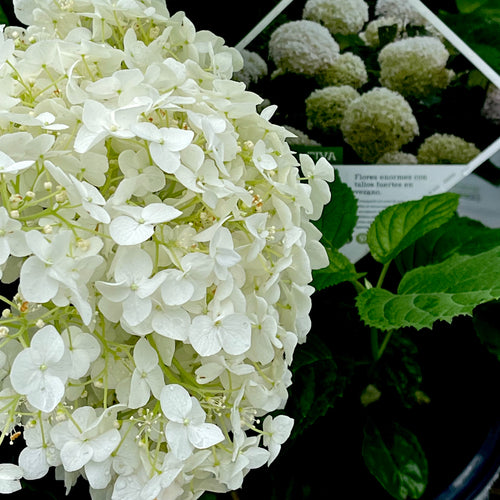
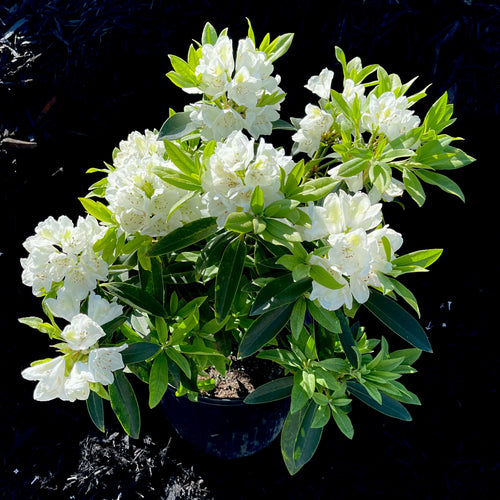
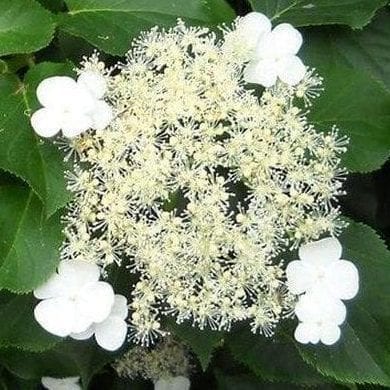
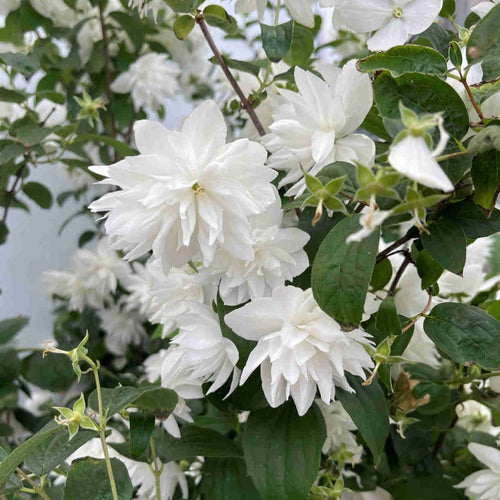
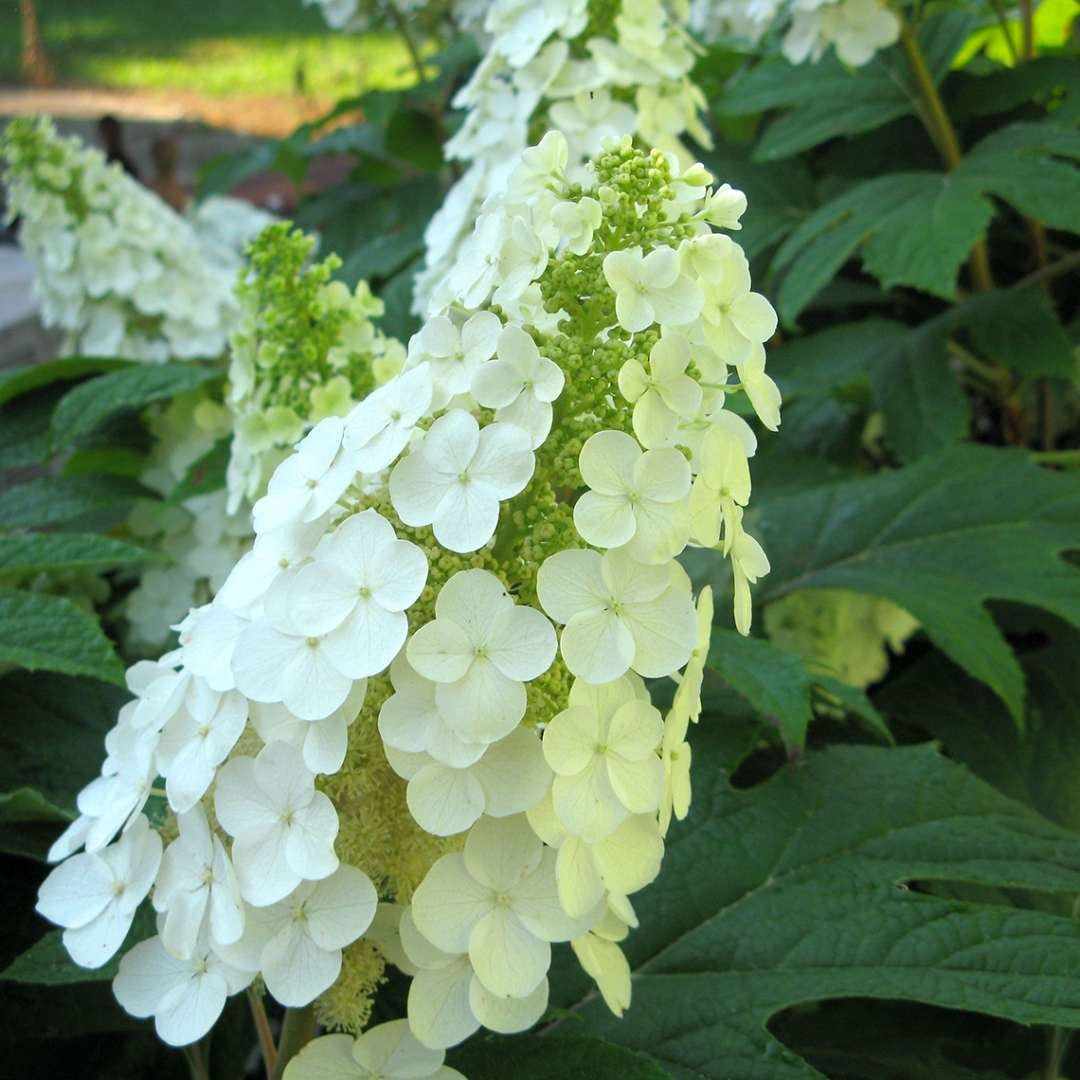
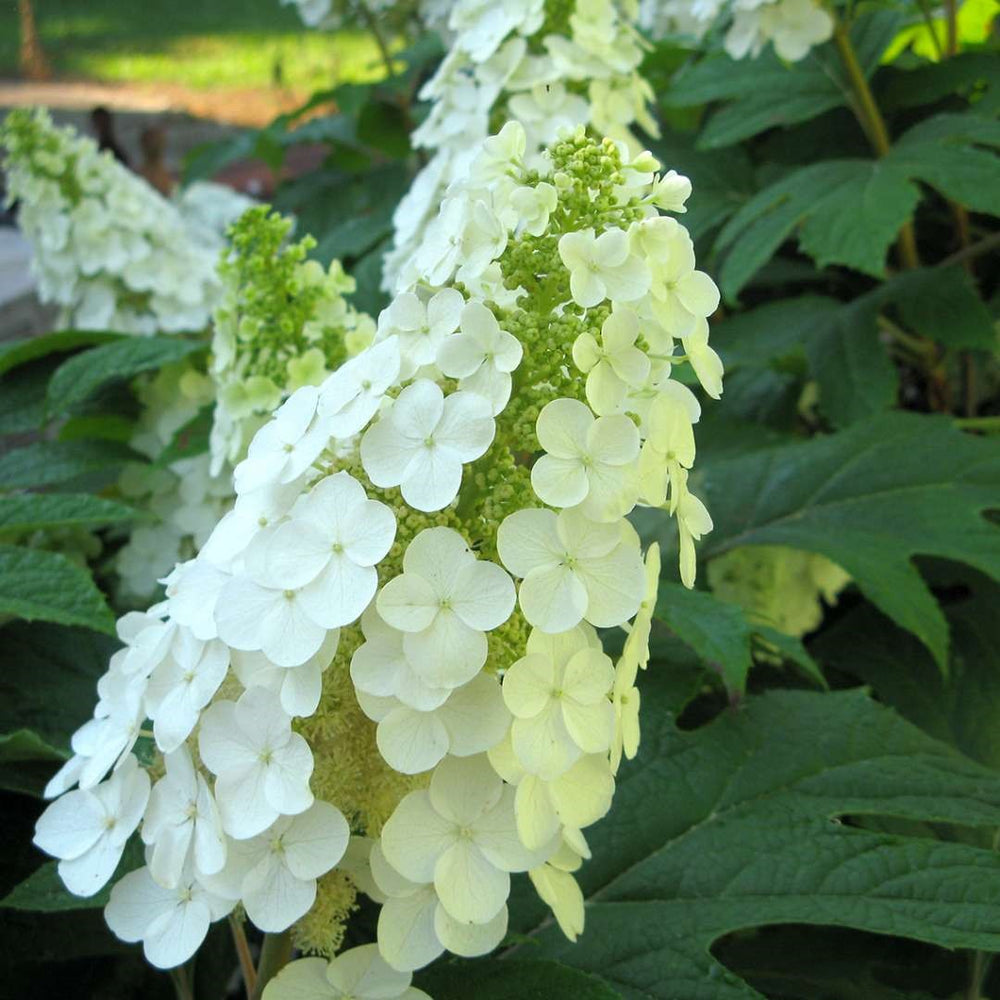
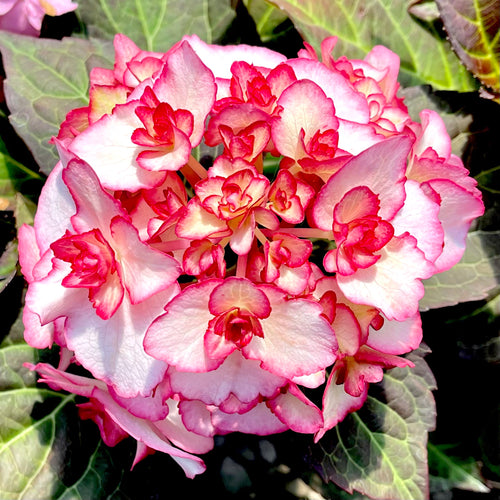
Gatsby Gal Hydrangea offers large white flower panicles and oak-shaped foliage, bringing a distinctive appearance to a carefully designed landscape. Its medium rounded habit makes it a useful choice for gardeners who want lasting structure and seasonal interest. Choose a location where its ornamental features can be appreciated without crowding nearby plants.
This selection works as an accent, in a mixed planting, or alongside companions with similar growing needs. Allow for the mature spread rather than planting based only on the nursery container. Appropriate light and drainage are important for long-term health.
Why Gardeners Love Gatsby Gal Hydrangea
- Distinctive appearance: Oversized blooms make a summer focal point.
- Seasonal interest: White flowers blush pink with age.
- Landscape use: Oak-shaped leaves color in autumn.
- Foliage and form: Mature bark adds winter interest.
- Companion planting: Woodland-edge plantings suit its form.
Where to Plant Gatsby Gal Hydrangea
Plant in morning sun to partial shade with well-drained soil. Leave room for the plant to develop its natural outline and avoid locations where roots stay waterlogged. In hot or windy sites, provide protection while new roots establish and consider the effect of afternoon exposure on tender leaves.
Growing and Care Tips
Water deeply after planting and monitor moisture at root level during the first growing season. A thin layer of mulch helps regulate moisture and temperature, but keep mulch away from stems. As the plant establishes, adjust watering to rainfall and soil drainage rather than a fixed schedule.
The main ornamental display occurs in summer and autumn. Remove damaged growth with clean tools and prune according to the plant's natural habit and bloom cycle. Avoid excessive feeding or aggressive shaping that would obscure its characteristic form. Check the soil before watering, especially during extended wet weather.
Explore a Related Plant
Explore Ruby Slippers Hydrangea as another garden option. Compare foliage, mature size, and site requirements to choose the best combination.