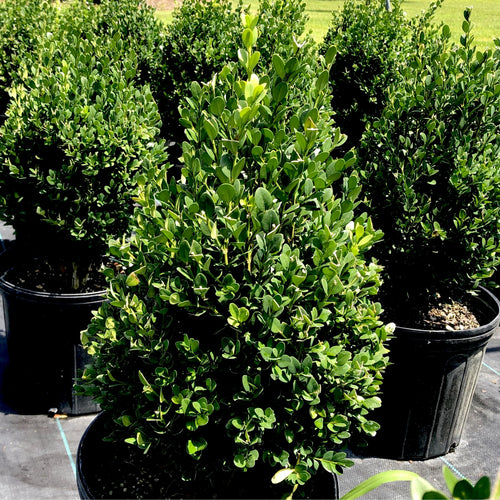
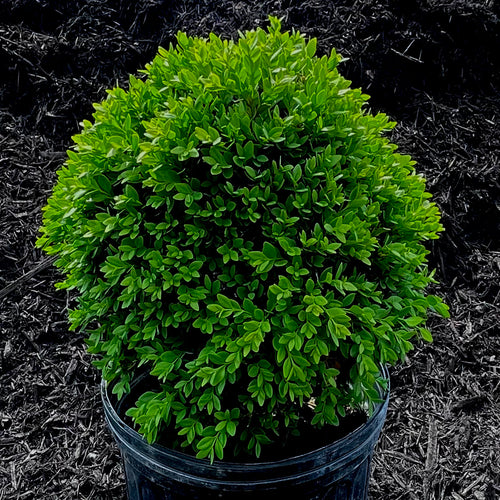
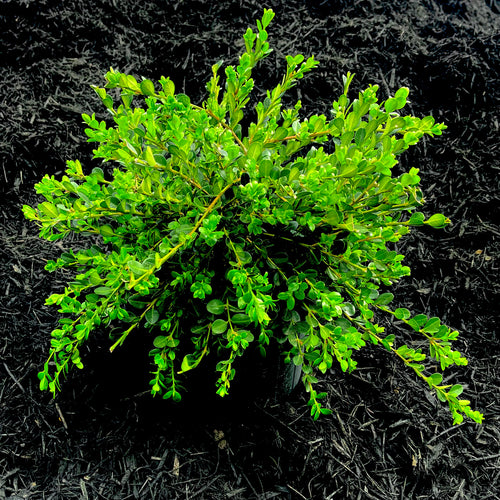
Acer palmatum 'Bloodgood'
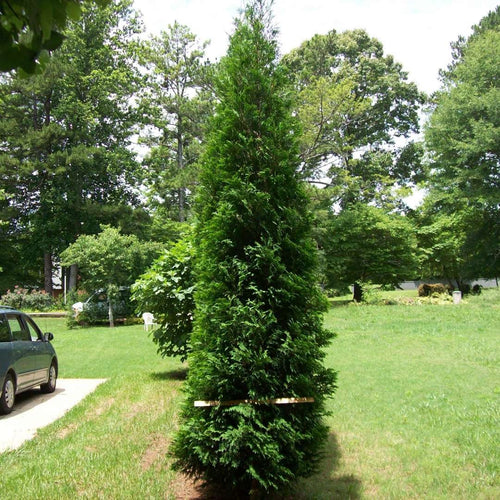
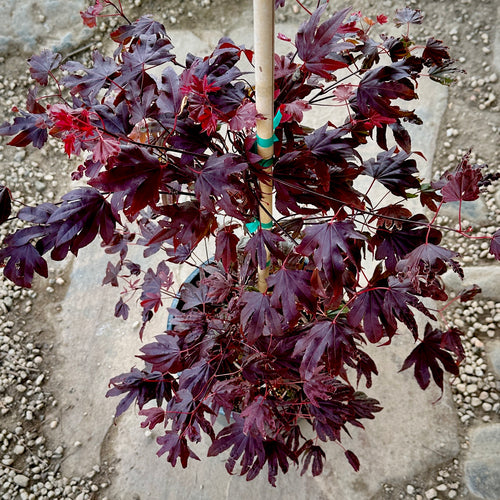
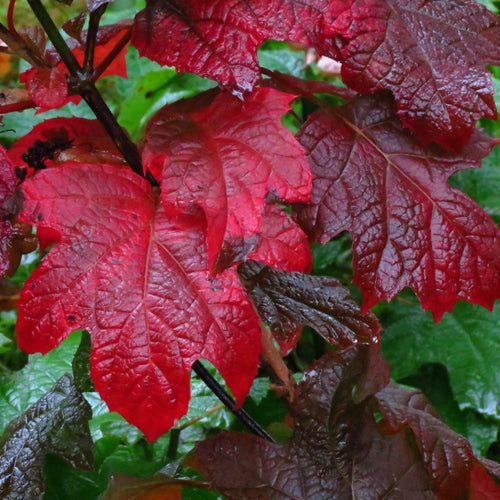
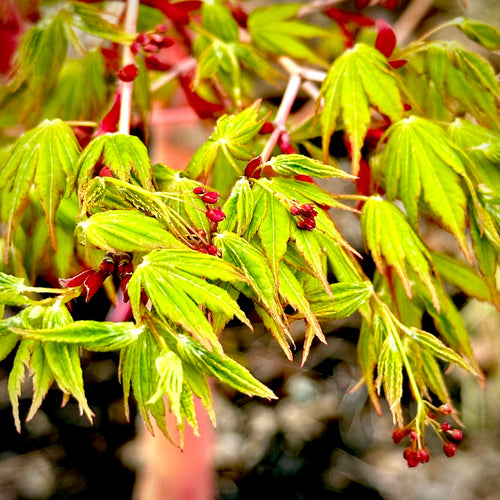
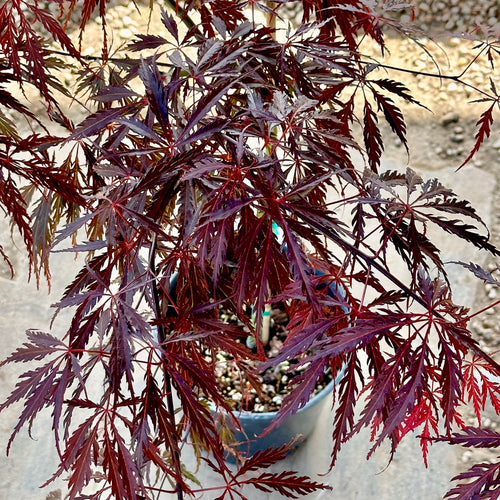
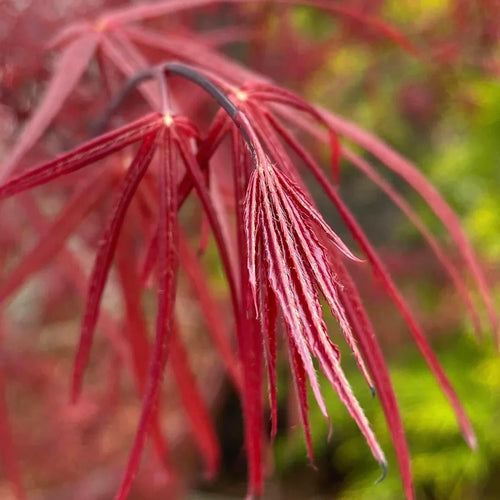
Bloodgood Japanese Maple is valued for rich burgundy-red foliage and a graceful upright canopy. Its distinct appearance gives home gardeners a practical way to introduce color and texture into a thoughtfully planted landscape. Choose a position that shows the plant's natural shape and gives its roots sufficient room to establish.
Expect roughly 15–20 feet tall over time, depending on site. Actual dimensions and flowering performance depend on local climate, soil, light, and ongoing care. Plan for the plant's eventual proportions rather than the size of the nursery container, especially when planting close to a house, pathway, or other shrubs.
Why Gardeners Love Bloodgood Japanese Maple
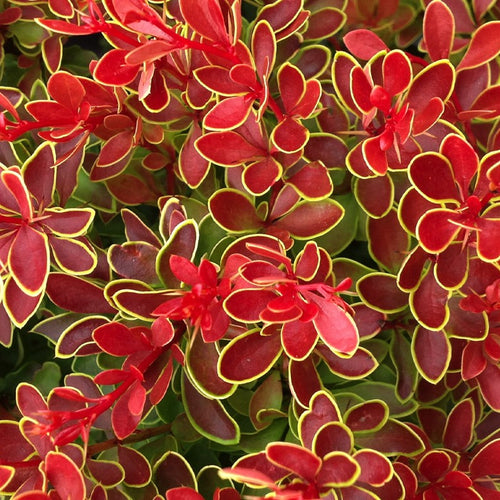
- Signature appearance: Burgundy leaves provide dramatic contrast to green evergreens.
- Garden interest: Brilliant scarlet autumn foliage extends seasonal interest.
- Landscape versatility: An upright branching structure makes a memorable specimen.
- Seasonal character: Slow to moderate growth suits thoughtfully planned residential landscapes.
- Design combinations: Sheltered placement helps protect the delicate leaves from hot drying winds.
Where to Plant Bloodgood Japanese Maple
Choose morning sun or filtered light with afternoon protection in hot climates. Give the plant adequate air circulation and room to reach its natural spread. Use it as a focal point or among companions with similar moisture and soil preferences. Avoid locations where roof runoff, compacted soil, or competition from large tree roots would make consistent establishment difficult.
Growing and Care Tips
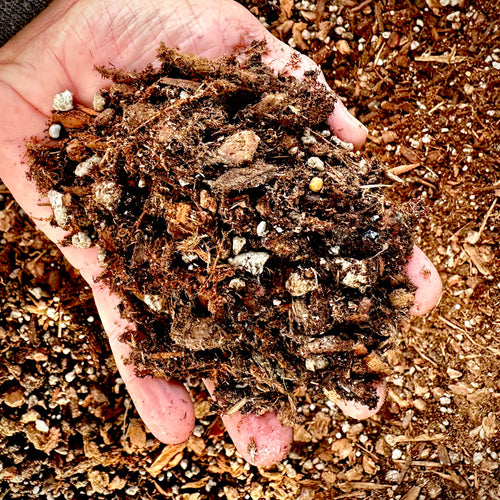
Water deeply after planting and check root-zone moisture regularly during the first growing season. Keep soil evenly moist but never persistently waterlogged. Add an organic mulch layer over the root zone, leaving space around stems and trunks. Feed only when needed for healthy growth and use pruning suited to the plant's natural habit and flowering cycle.
The main ornamental season is spring foliage through scarlet fall color. Monitor plants during prolonged heat or drought, particularly when they are newly planted. Prune with clean tools, removing damaged wood and preserving the natural outline rather than routinely shearing away flowering growth.
Explore a Related Plant
For another plant in the same group, explore our Adrian's Compact Japanese Maple. Compare flower color, mature size, and preferred growing conditions to find the best match for your garden.