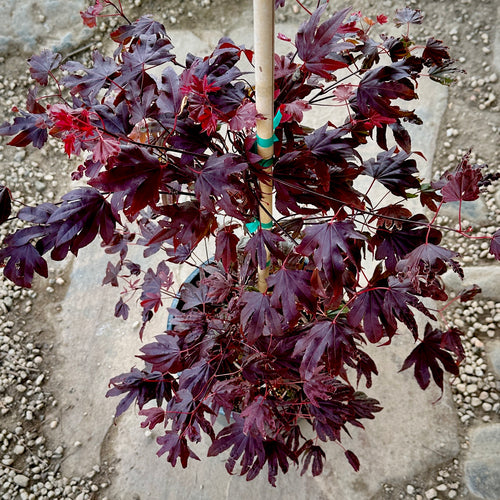
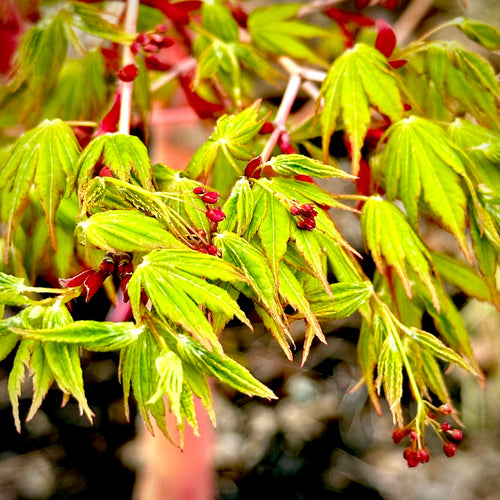
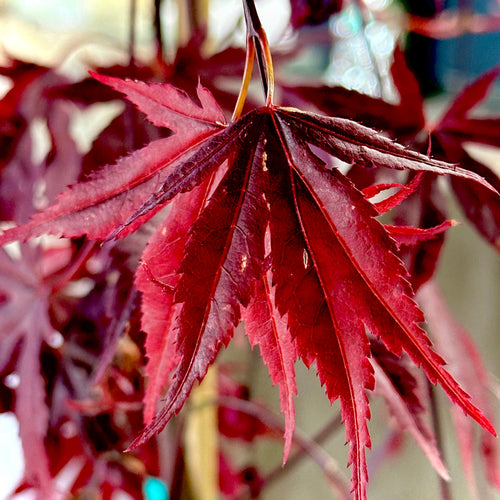
Acer palmatum 'Sango-kaku'
Coral Bark Japanese Maple offers coral-red young stems that glow against a winter landscape, creating an attractive accent for a carefully planned home landscape. Its characteristic flowers or foliage add personality to mixed plantings, while the natural growth habit helps determine the best location in the garden.
Expect approximately 15–20 feet tall over time in suitable conditions. Actual mature dimensions depend on local climate, soil conditions, and ongoing care. Allow the plant enough room to grow without crowding paths, foundations, or neighboring shrubs. The right placement makes the most of its distinctive seasonal features.
Why Gardeners Love Coral Bark Japanese Maple
- Signature color: Coral-red winter stems provide color when the leaves are gone.
- Seasonal interest: Fresh green spring leaves offer a light and airy appearance.
- Garden design: Golden autumn foliage creates another seasonal display.
- Landscape character: Upright branching makes a graceful focal point in a sheltered garden.
- Companion planting: The bright stems contrast beautifully with dark evergreen backdrops.
Where to Plant Coral Bark Japanese Maple
Provide morning sun and afternoon shade in hot areas, with well-drained soil. Position this selection where its most ornamental feature can be seen and appreciated, whether as a specimen, a border accent, or part of a coordinated shrub grouping. Avoid persistently wet soil and give new plants enough space for airflow and healthy root development.
Growing and Care Tips
Water thoroughly after planting, then monitor moisture at the root zone throughout the first growing season. Deep, occasional watering generally encourages stronger establishment than frequent shallow sprinkling. Apply a modest layer of mulch to conserve moisture, keeping it clear of the crown and main stems.
The most noticeable seasonal display occurs in spring leaves, fall foliage, and vivid winter bark. Adjust watering during extended heat or dry spells, and prune selectively to remove damaged branches or maintain a natural shape. Where flowering depends on buds formed the previous year, avoid indiscriminate late-season pruning. Healthy roots and appropriate exposure matter more than a rigid maintenance schedule.
Explore a Related Plant
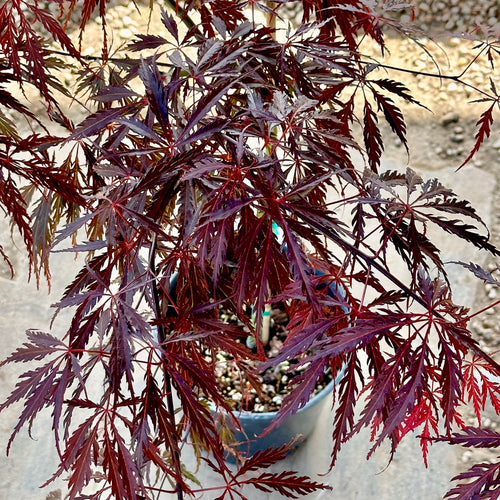
Compare this selection with our Bloodgood Japanese Maple. Both offer appealing options in the same plant group, with differences in flower color, foliage, size, and garden use worth considering.