



























1. What does anemone-form mean for April Tryst Camellia?
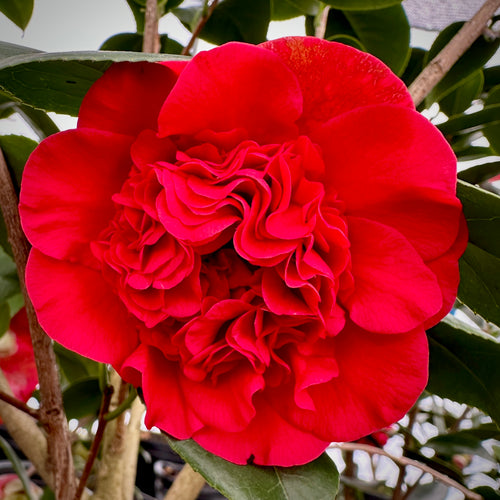
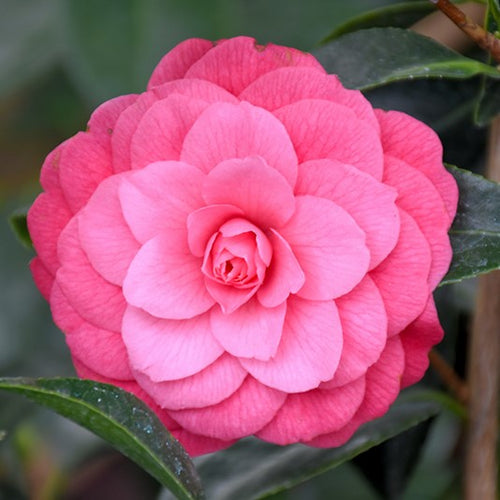
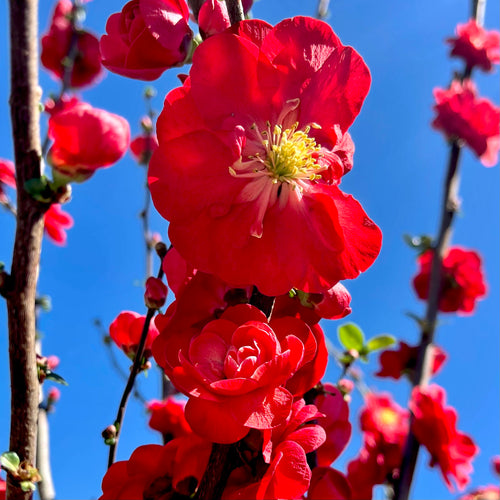
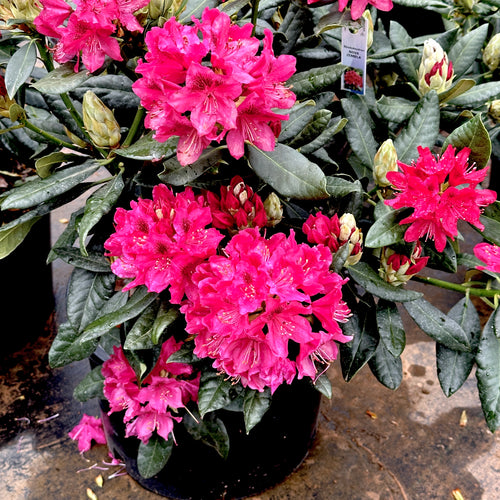
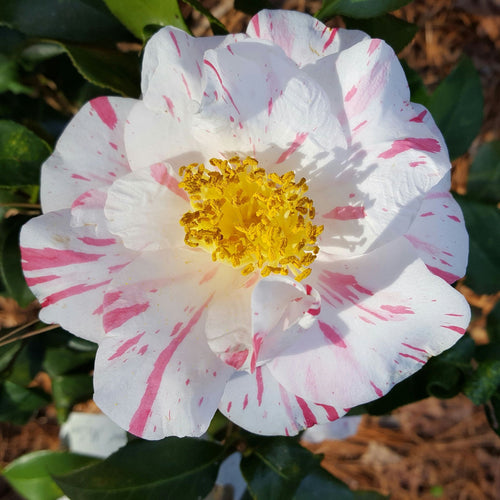
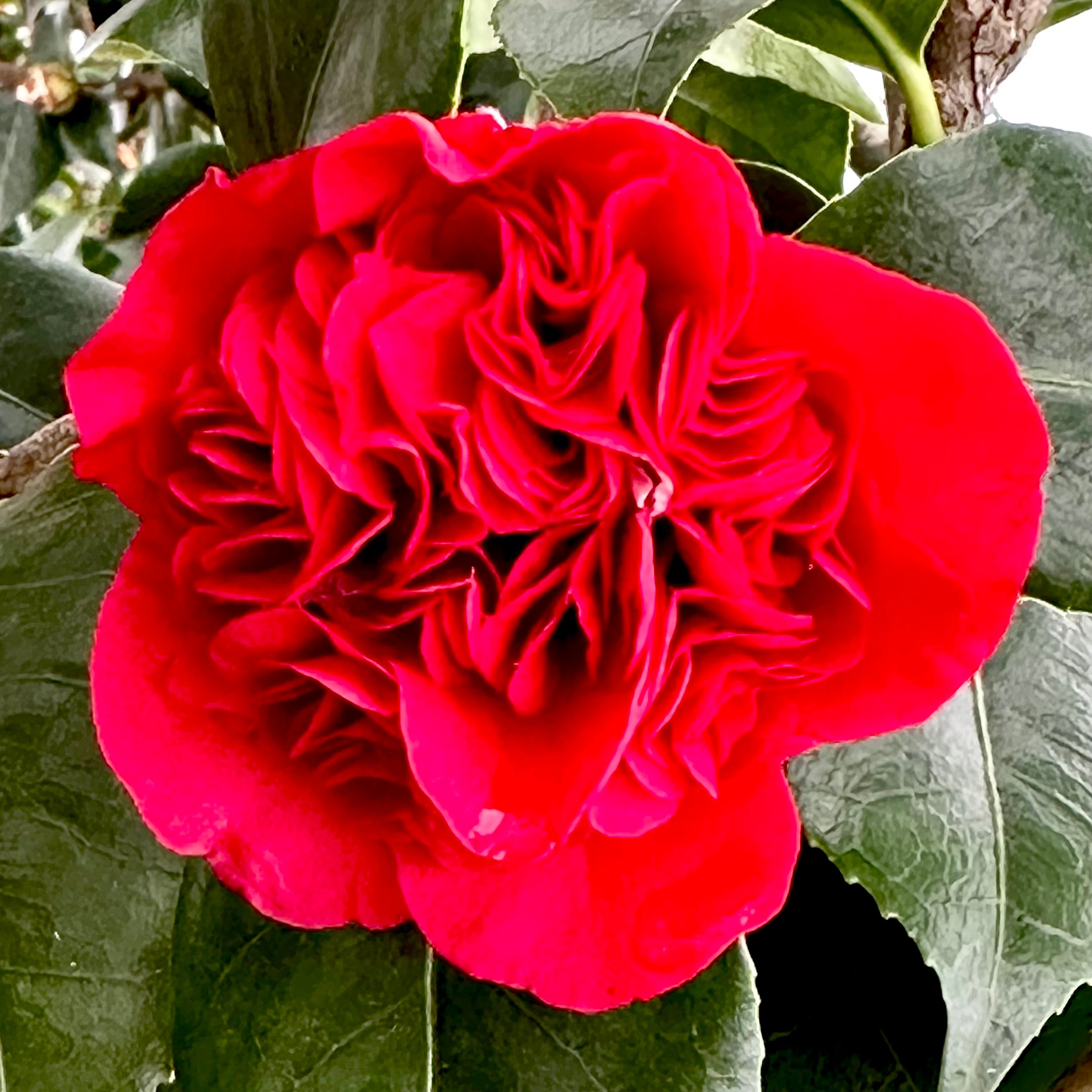
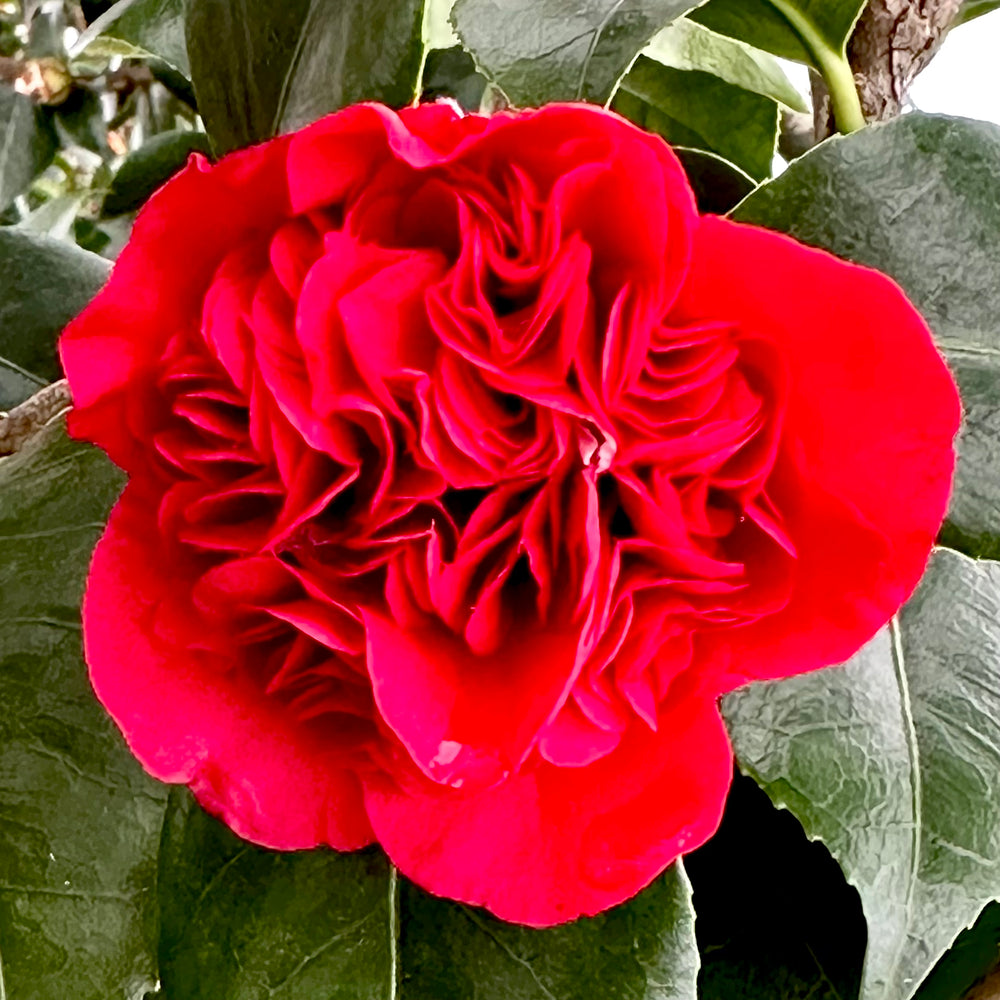
Its red flowers have a prominent center made up of small petal-like structures called petaloids, rather than a uniformly layered formal-double shape.
2. Is April Tryst Camellia suitable for colder climates?
It is listed for USDA zone 6 and belongs to a group bred with cold tolerance in mind. Choose a sheltered site to reduce damage from drying winter wind and sudden temperature swings.
3. Where should I plant April Tryst Camellia?
Plant in well-drained acidic soil with part shade and protection from strong winds. Keep roots evenly moist during establishment, then water as weather demands rather than on a rigid schedule. A mulch layer helps protect shallow roots, while pruning after bloom preserves next season's flowers. Listed for USDA zones 6–9.
4. How much space does April Tryst Camellia need?
April Tryst is notable for red flowers whose centers contain a cluster of smaller petal-like structures, giving the blossoms a lively, textured look. Bred by Dr. Clifford Parks, this selection is especially appealing where gardeners want stronger color among softer pink and white camellias. Its listed mature dimensions are approximately 7 feet tall and 4 feet wide.
5. What makes April Tryst Camellia useful in a landscape?
Vivid red anemone-form flowers with a distinctive textured center. Anemone-form red blossoms create strong visual contrast; showy central petaloids add flower detail.
6. What care helps April Tryst Camellia establish well?
Plant in well-drained acidic soil with part shade and protection from strong winds. Keep roots evenly moist during establishment, then water as weather demands rather than on a rigid schedule. A mulch layer helps protect shallow roots, while pruning after bloom preserves next season's flowers.