Camellia 'Jury's Yellow'
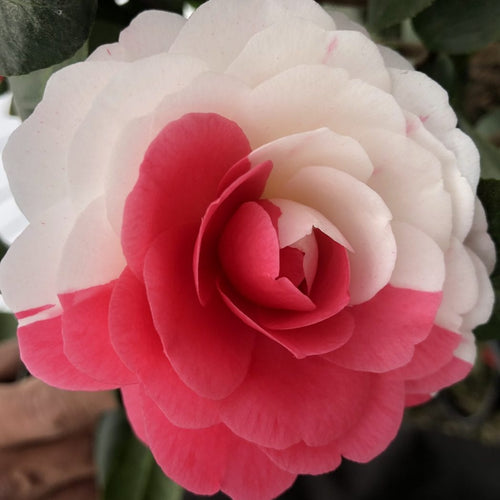
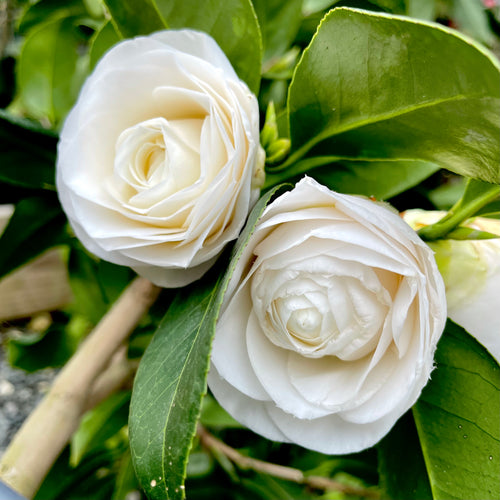
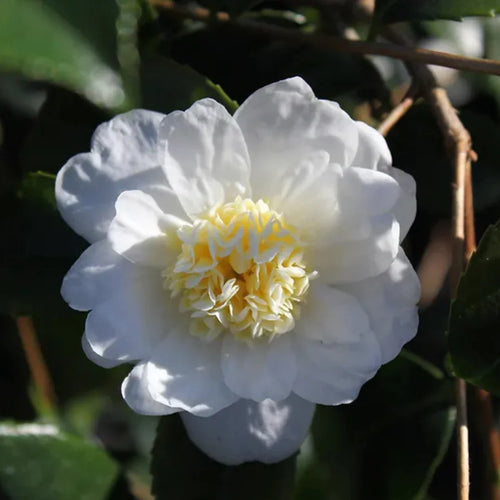
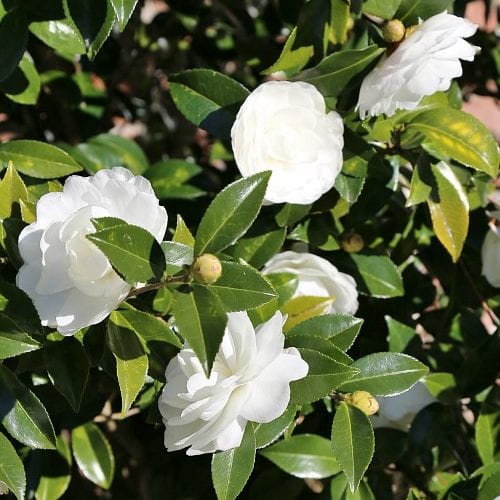
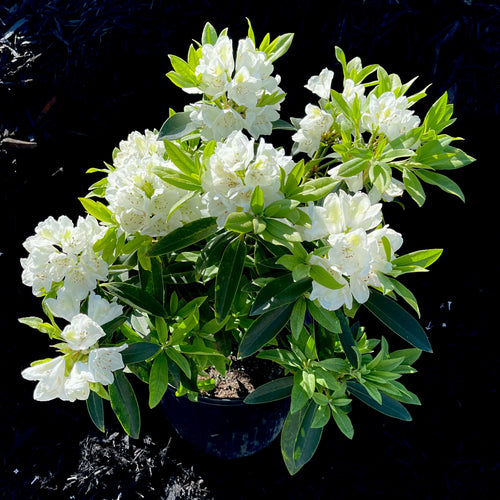
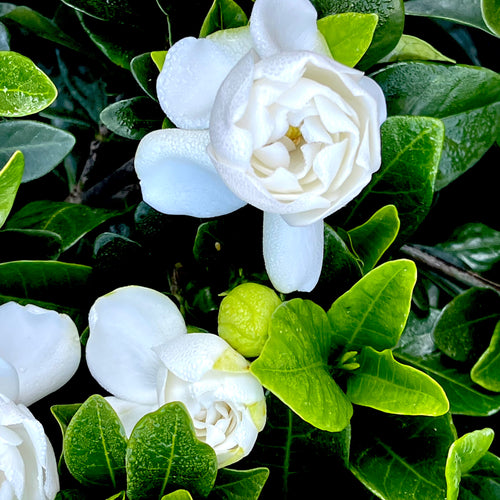
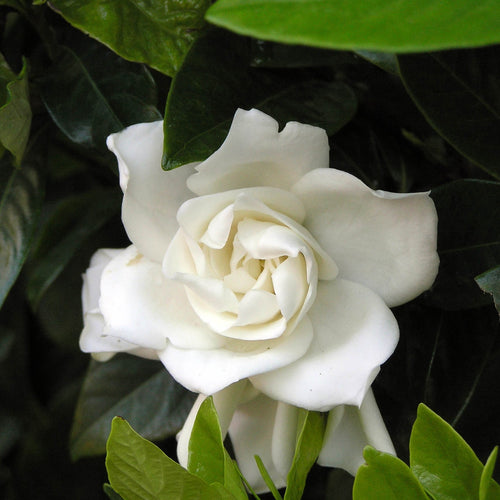
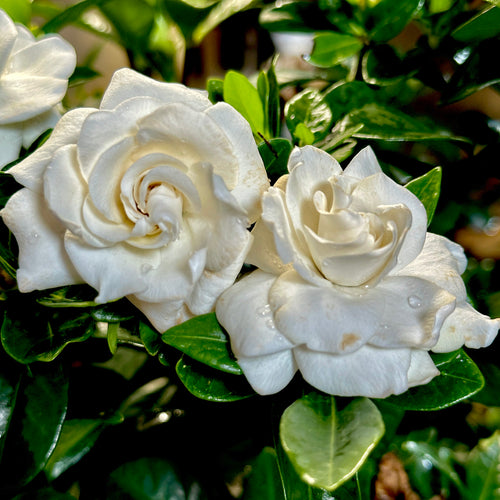
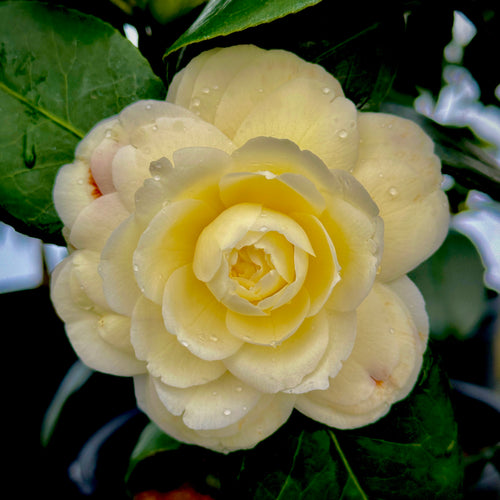
Jury's Yellow Camellia offers a subtle twist on the classic camellia flower. Its pale cream-to-buttery-yellow center and layered outer petals give the blooms a soft, luminous look, particularly welcome in a shaded garden during the cooler months. The foliage remains glossy and green long after the flowers pass.
Why Gardeners Love Jurys Yellow Camellia
- Unusual flower coloring: Creamy, yellow-centered blossoms provide a softer palette than red or pink camellias.
- Cool-season beauty: Flowers bring interest when much of the landscape is dormant.
- Evergreen backdrop: Dark leaves provide dependable color and privacy between bloom cycles.
- Versatile placement: Works as a specimen or in a mixed shrub border with other acid-loving plants.
- Long-term presence: Its mature size makes it a substantial landscape shrub, not a short-lived seasonal accent.
Where to Plant Jurys Yellow Camellia
Use Jury's Yellow near an entry, along a woodland path, or where low winter light can illuminate its pale flowers. Allow space for a mature plant approximately 8–12 feet tall and 5–7 feet wide. Pair it with white or pink camellias for a quiet, layered planting that offers different flower forms.
Growing and Care Tips
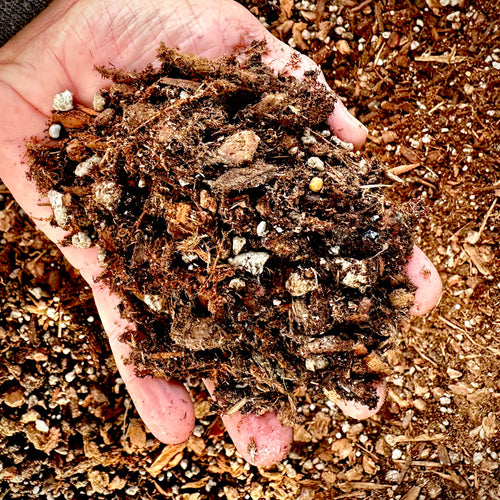
Give this camellia acidic, humus-rich soil with dependable drainage. Morning light or filtered shade is generally preferable to exposed afternoon sun. Water during establishment and prolonged dry periods, but never leave roots in soggy ground. In clay soils, improve drainage across a generous area or consider a raised bed. Apply mulch to conserve moisture, keeping it away from the trunk. Light pruning immediately after bloom is best; the catalog lists zones 7–9.
Jury's Yellow is particularly effective where a traditional bright red camellia would feel too strong. Its pale petals catch low-angle light, and the warm center gives the flower dimension without reading as a vivid, saturated yellow. Consider placing it near a doorway, a bench, or a window overlooking the winter garden. There, the individual blossoms can be appreciated rather than disappearing into a distant mass of foliage. The restrained coloring also works well with dark-leaved evergreens and spring bulbs.
Give this camellia time to establish before expecting its fullest floral display. Water slowly enough to soak the root zone, then let the upper soil begin to dry before repeating. If leaves yellow, do not automatically add fertilizer: poor drainage and unsuitable soil pH can also affect nutrient uptake. A soil test is more useful than guessing, especially in gardens with alkaline or compacted ground.
Explore a Related Plant
For another garden-worthy option, explore Lemon Glow Camellia and compare its form, flowers, and growing needs.