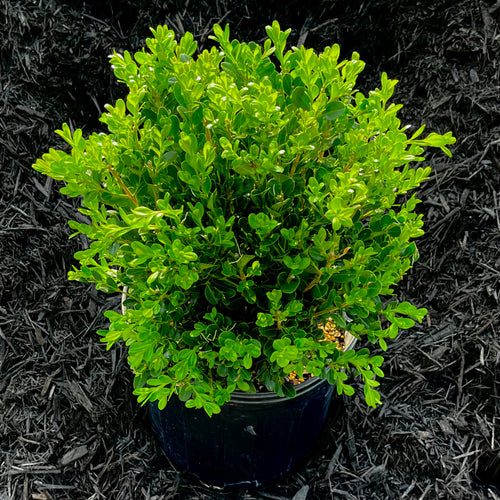
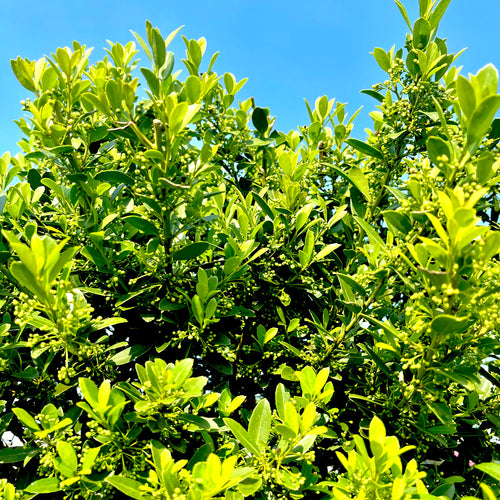
Ilex glabra 'SMNIGAB17' (Gem Box®)
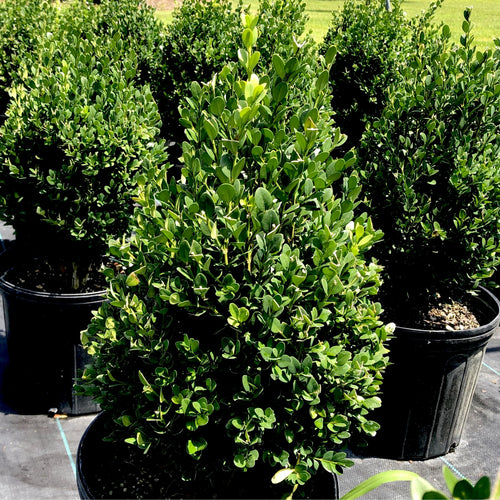
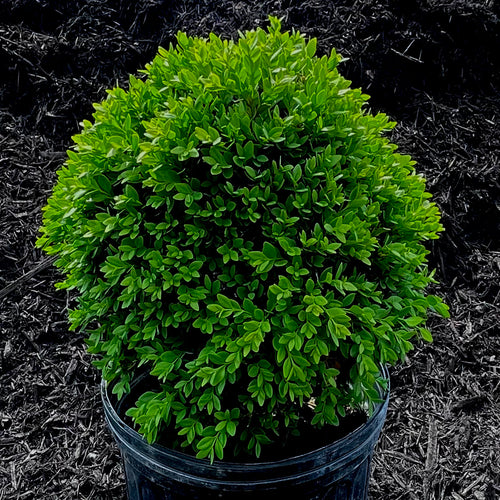
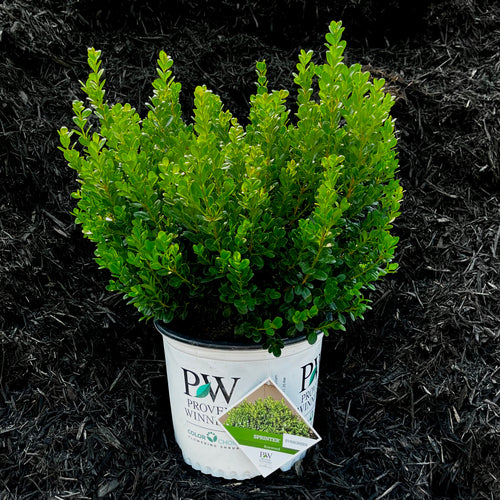
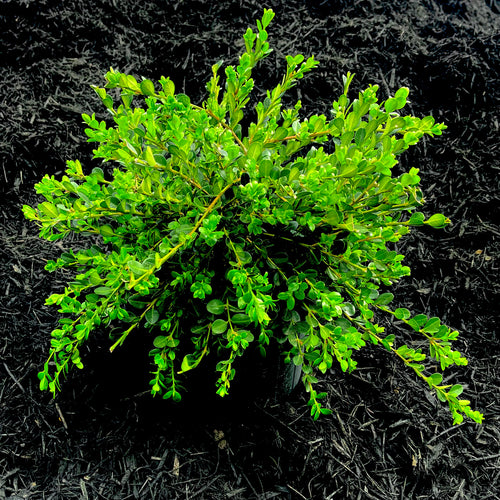
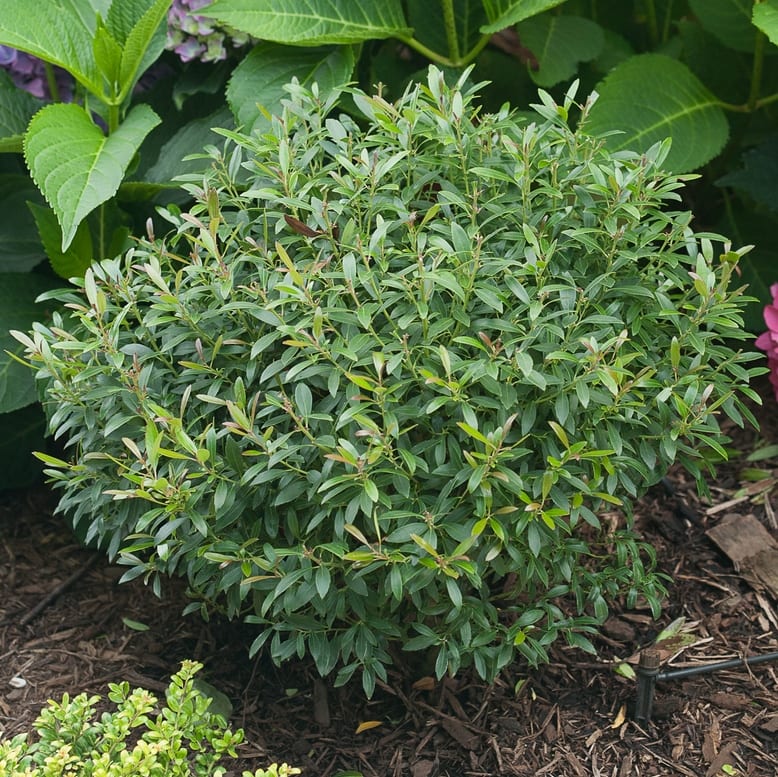
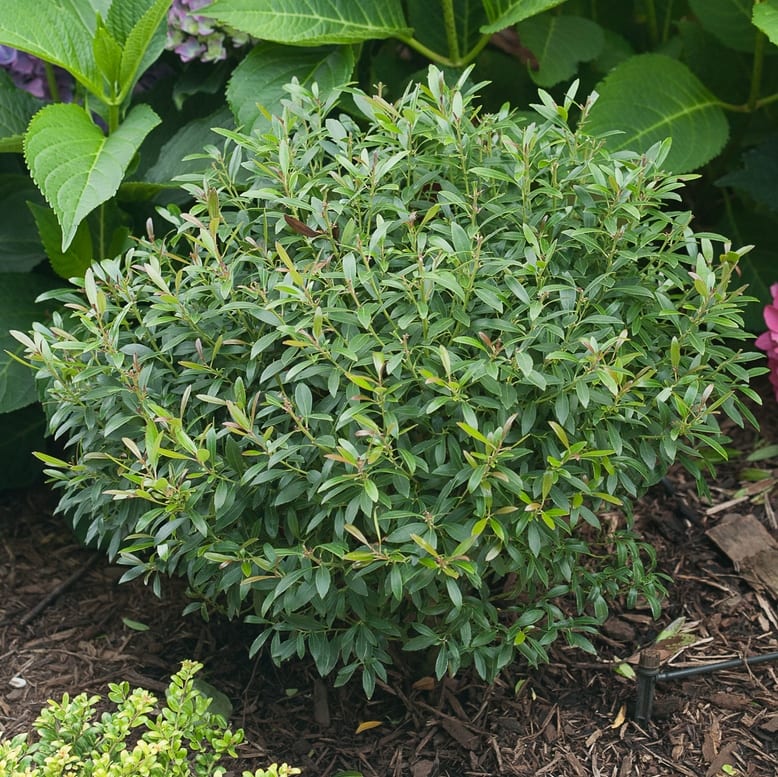
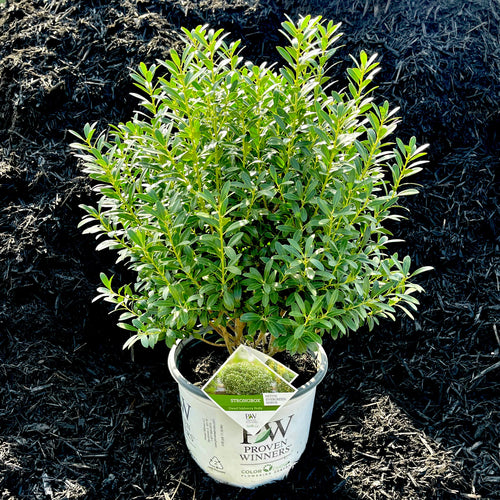
Gem Box Inkberry Holly gives gardeners the clipped, rounded look of boxwood with the character of a native North American holly. Its small, glossy green leaves and tightly branched shape make a handsome evergreen edging plant, even when you prefer a softer, less formal garden.
Why Gardeners Love Gem Box Inkberry Holly
- Naturally neat: Dense growth forms a compact mound without needing constant shaping.
- A boxwood alternative: Its fine foliage creates a similar look for low hedges and foundation beds.
- Year-round structure: Evergreen leaves give borders definition after flowering perennials fade.
- Small-space friendly: A mature size near 3 feet tall and wide fits walkways and modest front yards.
- Flexible design: Repeat several plants for rhythm or use one to anchor a mixed container.
Where to Plant Gem Box Inkberry Holly
Plant Gem Box along a front walk, around a patio, or in groups at the edge of a shrub border. Allow approximately 3 feet for its mature spread; avoid crowding it against siding or hardscape. Its understated foliage also pairs nicely with larger-leaved shrubs and ornamental grasses.
Growing and Care Tips
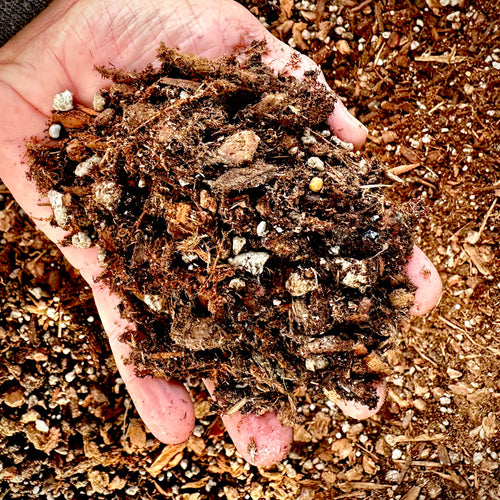
Choose sun to part shade and acidic, organically rich soil that stays reasonably moist but drains well. Inkberry holly dislikes prolonged drought during establishment; water deeply during dry spells and mulch over the root zone without piling mulch against the stems. Light trimming after new growth begins can refine the outline, but severe pruning is usually unnecessary. Check local conditions for suitability; the catalog lists zones 6–9.
Gem Box is a useful choice when the garden needs tidy evergreen punctuation without the traditional look of a clipped boxwood hedge. Its small leaves and naturally dense branching allow it to hold a defined shape beside paths and steps, while its North American species heritage makes it especially appealing in mixed native-inspired plantings. A row can establish a repeated rhythm along a foundation, but individual shrubs also work as rounded accents among looser perennials and grasses.
Inkberry holly generally prefers more consistent soil moisture than boxwood, especially in sunny locations. It is not a good candidate for a hot, dry strip that receives little irrigation. Test soil pH if growth becomes pale or weak, since this acid-loving shrub may struggle in alkaline ground. Allow its natural form to develop before reaching for shears; selective light shaping usually looks better than repeated hard clipping.
Explore a Related Plant
For another garden-worthy option, explore Strongbox Inkberry Holly and compare its form, flowers, and growing needs.