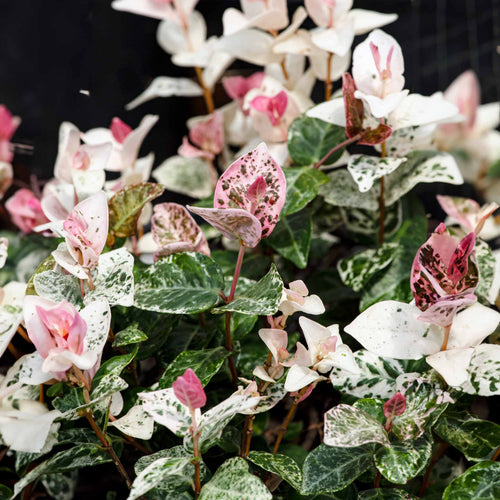
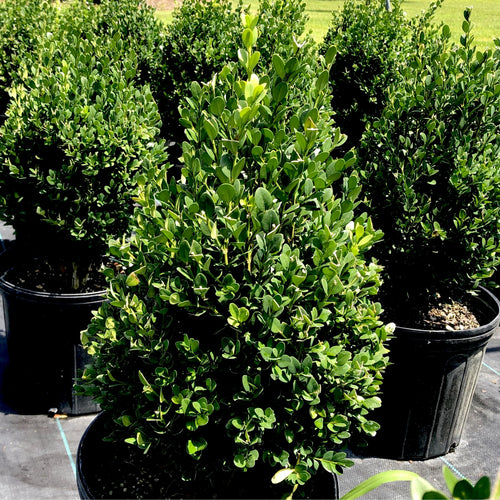
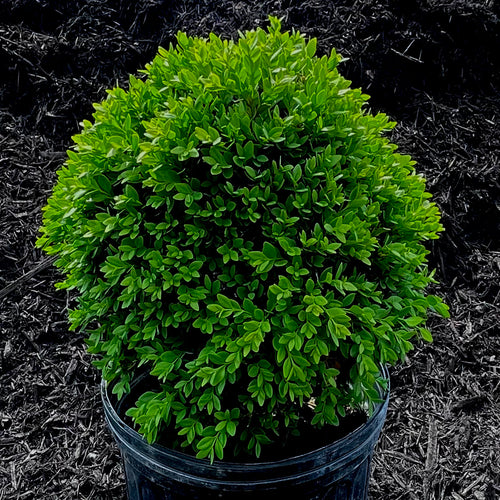
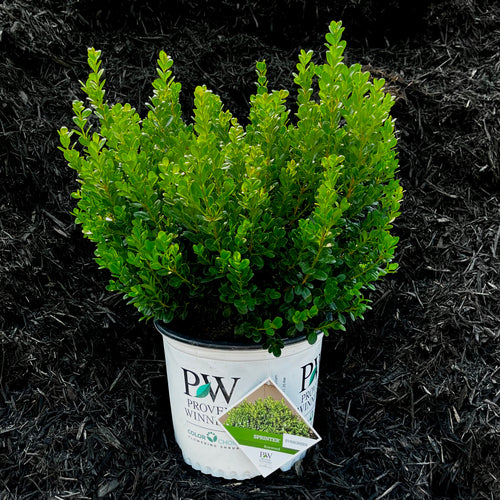
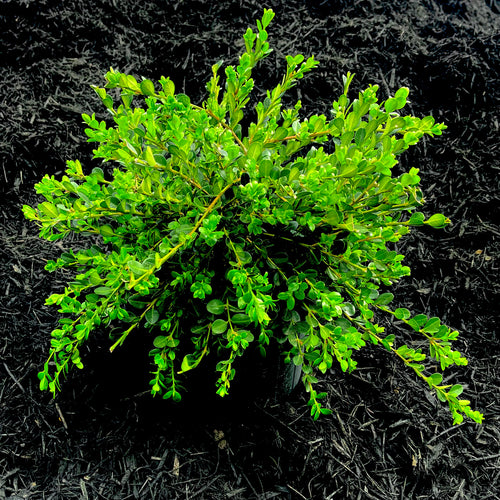
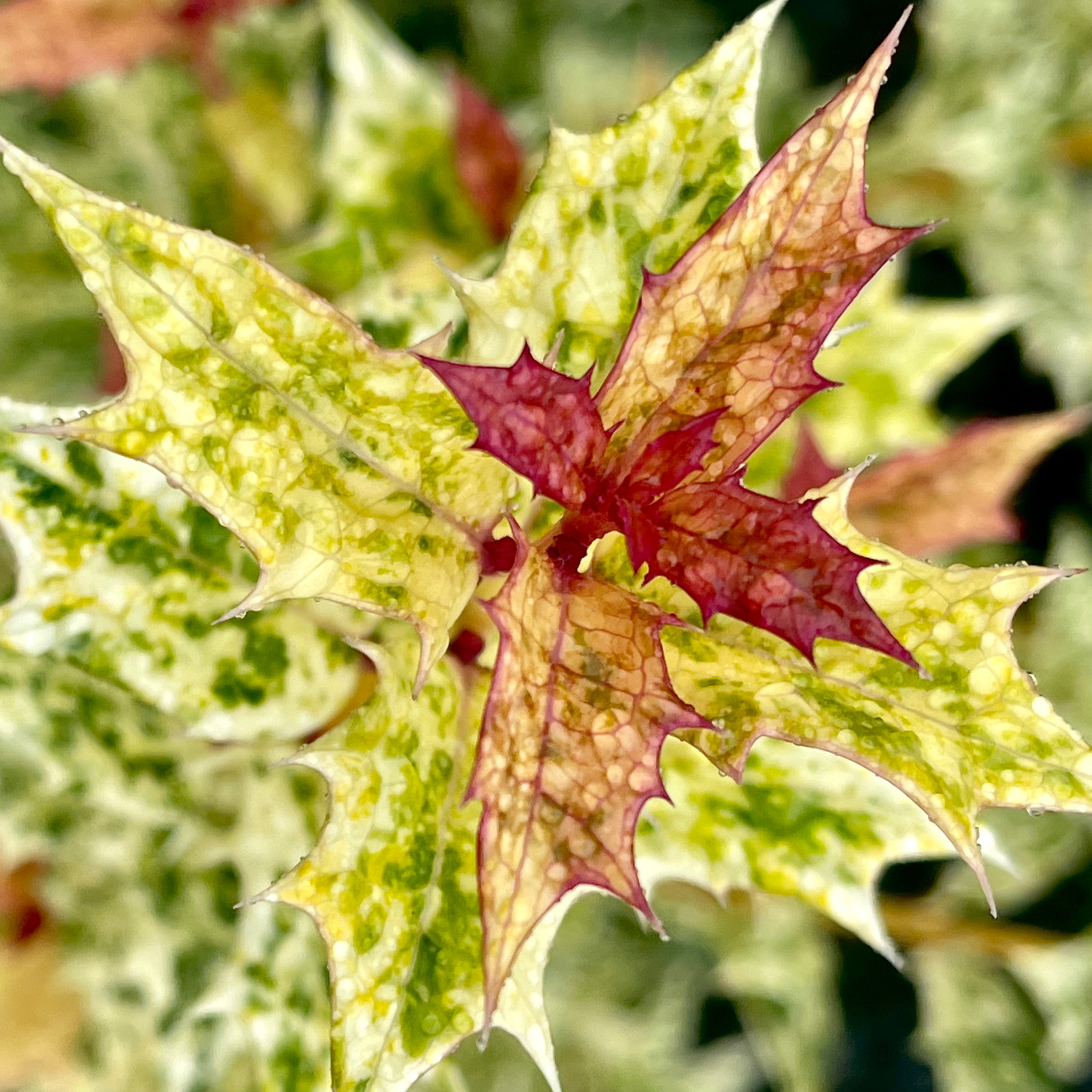
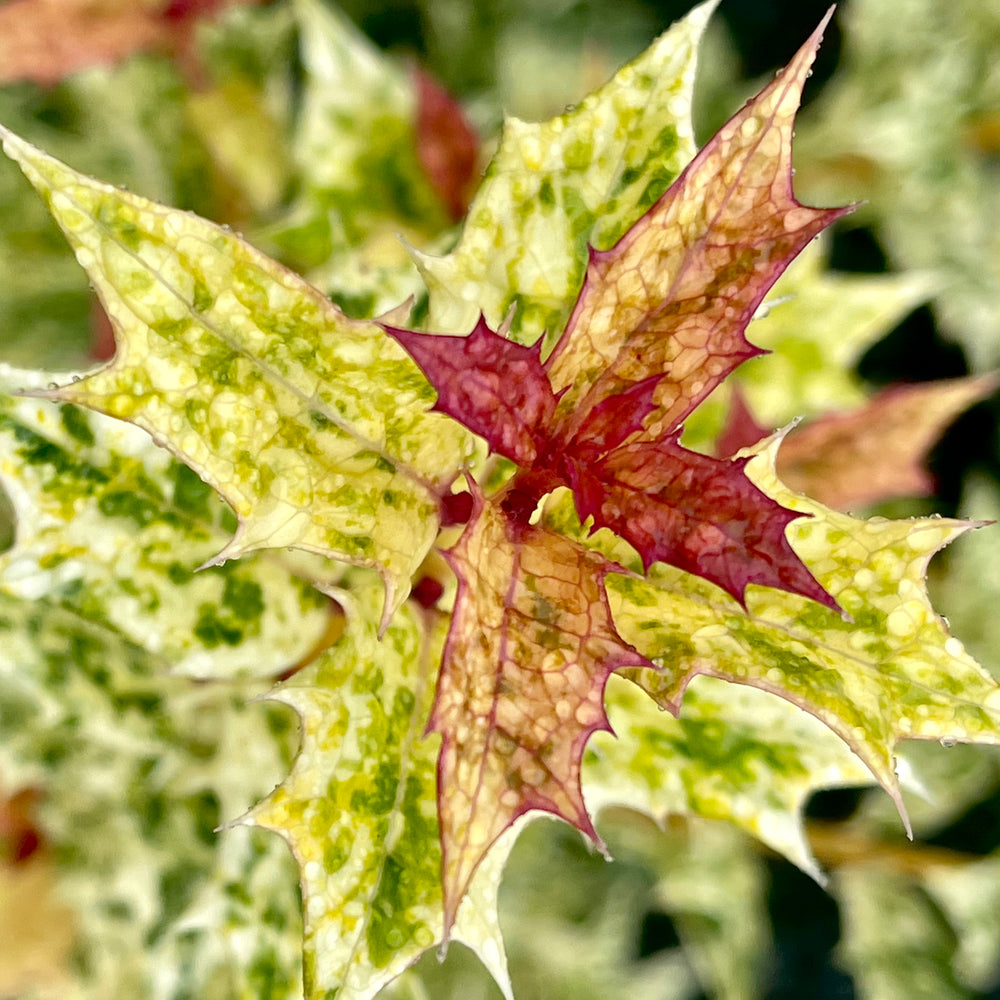
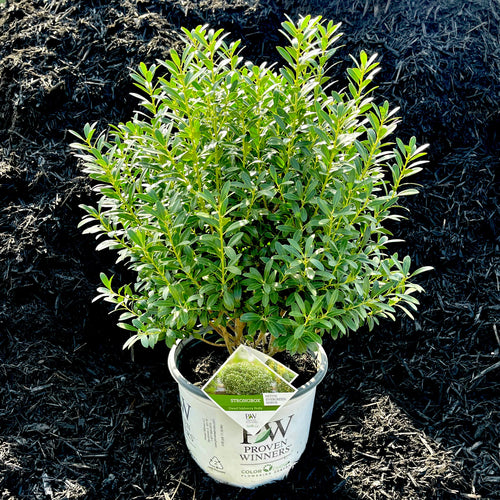
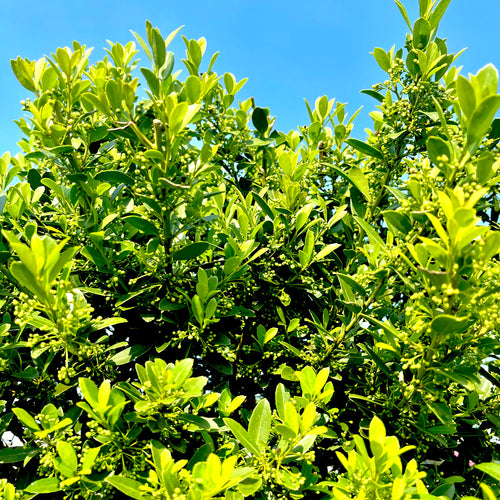
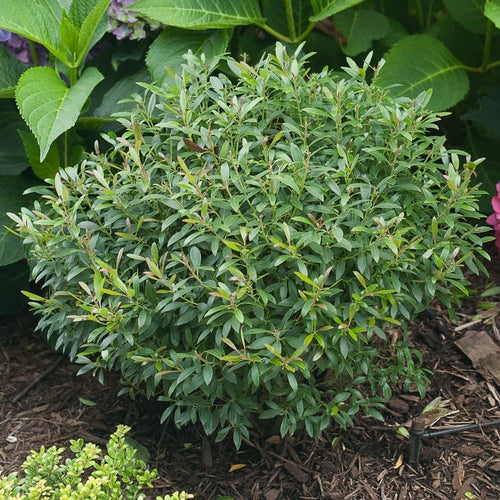
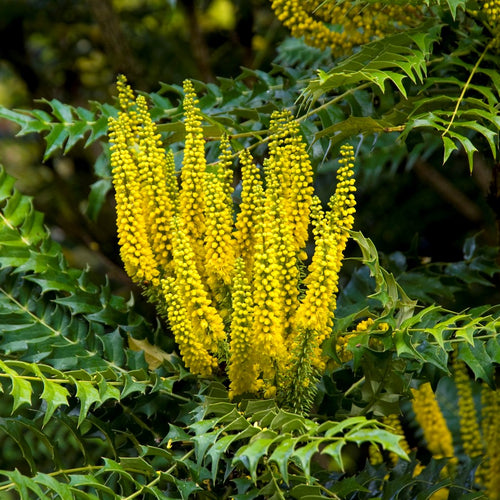
Osmanthus heterophyllus 'Goshiki'
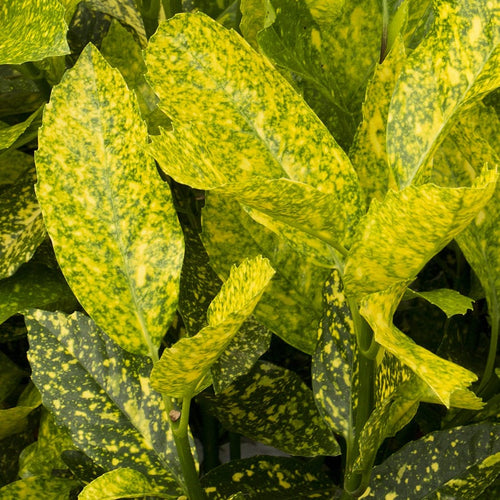
Goshiki False Holly adds distinctive character to a home landscape. . Its variegated foliage and evergreen structure can bring variety to mixed plantings without requiring an elaborate garden design. Consider how its mature form will fit alongside existing plants and how its appearance changes through the year.
Why Gardeners Love Goshiki False Holly
- Signature appearance: Features variegated foliage and evergreen structure, adding recognizable visual interest.
- Seasonal character: Flowers generally appear in spring; timing depends on local conditions.
- Landscape versatility: Can serve as a border accent, foundation planting, or part of a layered shrub bed.
- Mature dimensions: Typically reaches about 5 feet tall and 4 feet wide.
- Design potential: Looks appealing beside plants with contrasting foliage textures and heights.
Where to Plant Goshiki False Holly
Plant Goshiki False Holly where its form and seasonal features will be easy to appreciate. Along a walkway, it can provide an attractive transition between lawn and larger shrubs. In a foundation bed, allow enough distance from walls for mature branches. For a cohesive look, repeat the same cultivar in groups or pair it with plants that have compatible light and soil requirements. Layering shorter plants in front and taller specimens behind helps maintain an organized landscape as everything matures. Check the expected spread before planting to avoid unnecessary future pruning.
Growing and Care Tips
Choose a site with Full sun to part shade and well-drained soil. Goshiki False Holly is suited to USDA Hardiness Zones 6–9. Water deeply after planting, then monitor soil moisture as roots establish. Mulch helps moderate temperature and moisture but should not be piled against stems. Avoid waterlogged soil and prune selectively to preserve its natural form. During dry spells, check the root zone before watering; soil type and rainfall matter more than a rigid schedule. Remove damaged branches with clean tools and avoid heavy pruning unless it's natural habit requires it.
Explore a Related Plant
Consider Fragrant Osmanthus Tea Olive, another Osmanthus with evergreen leaves. Compare mature size, flower or foliage color, and light requirements to find the right plant for your garden.