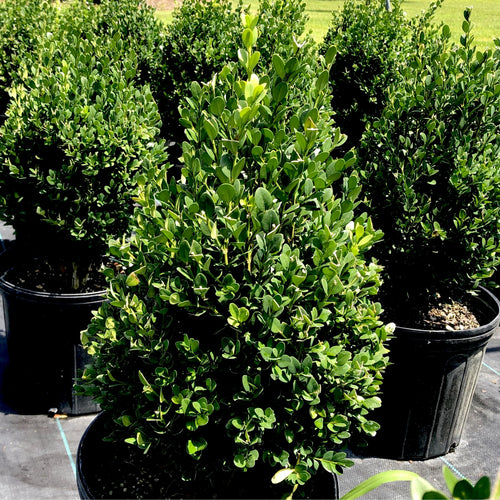
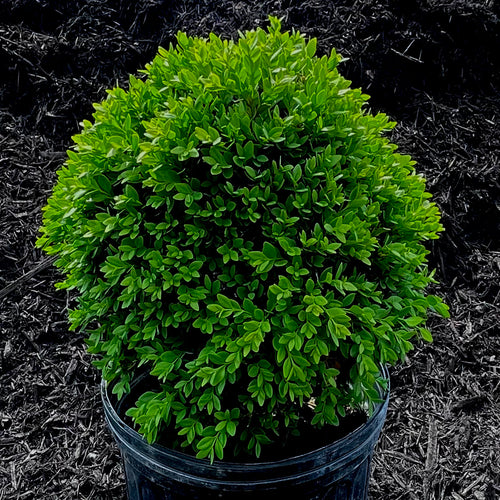
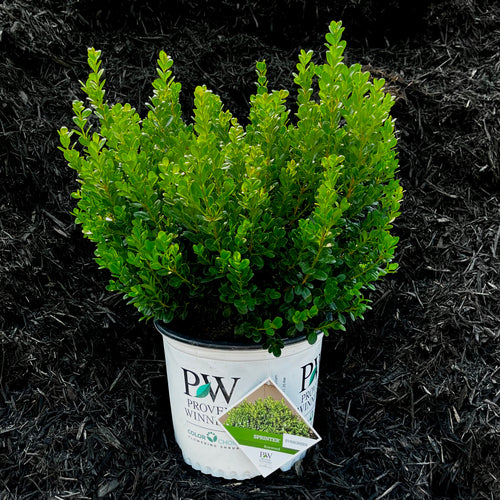
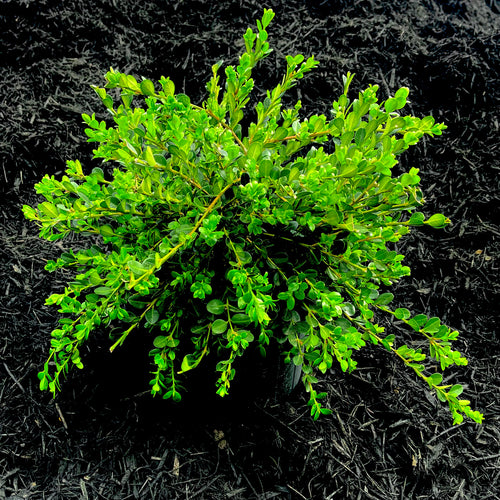
Cephalotaxus harringtonia var. drupacea
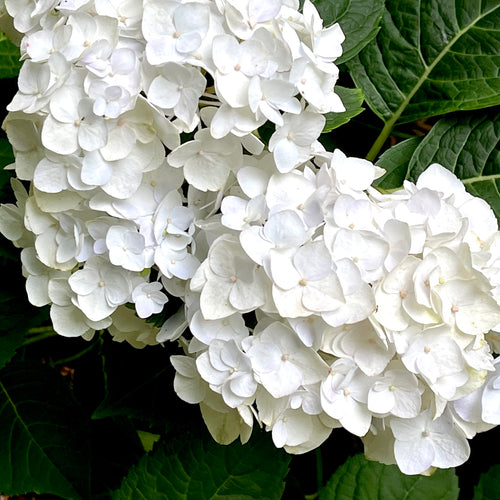
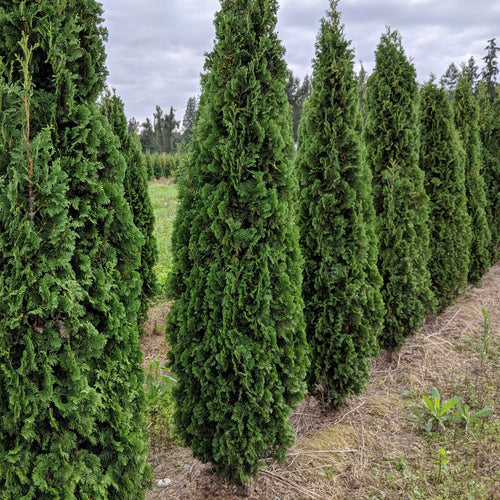
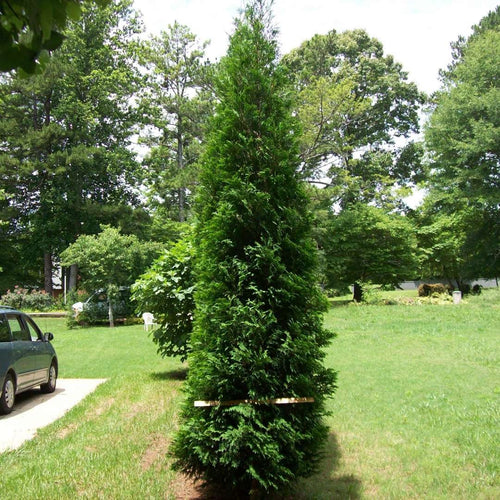
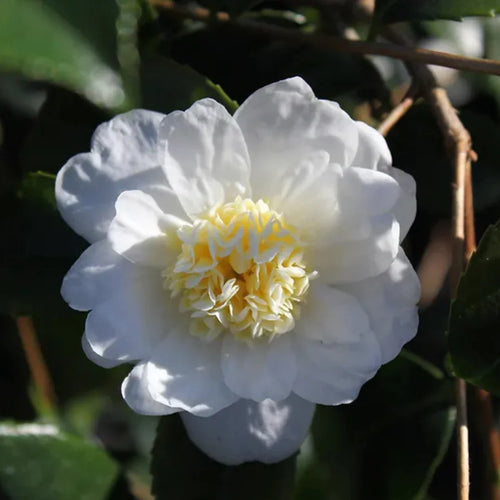
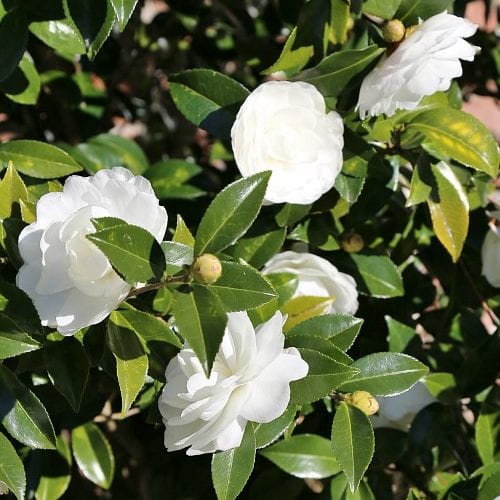
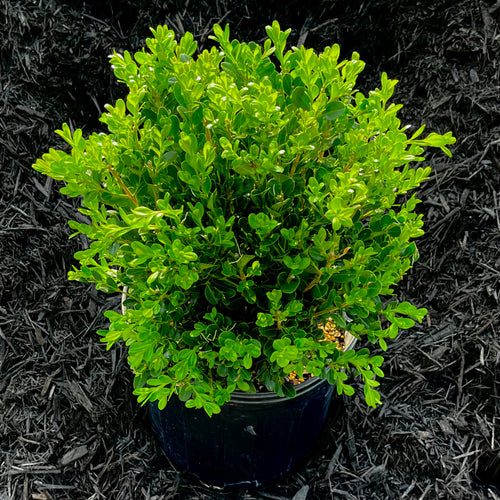
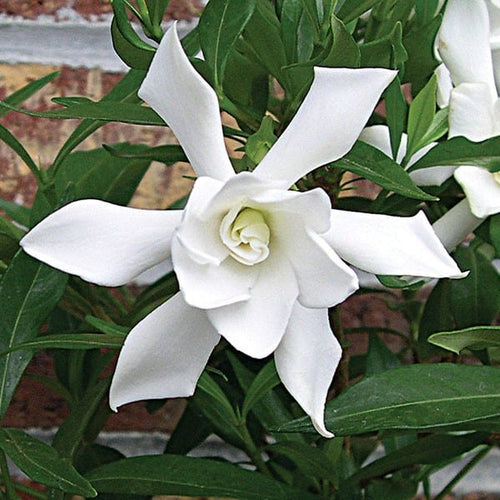
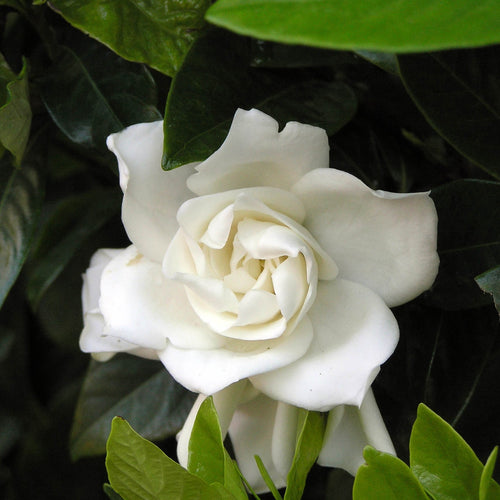
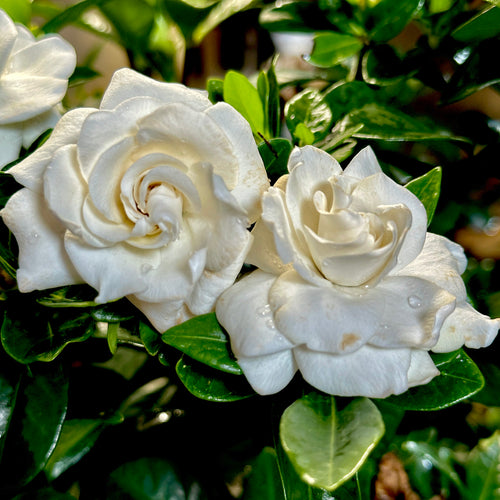
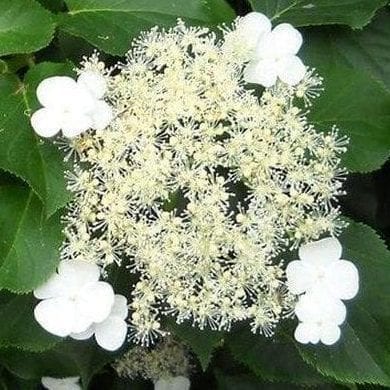
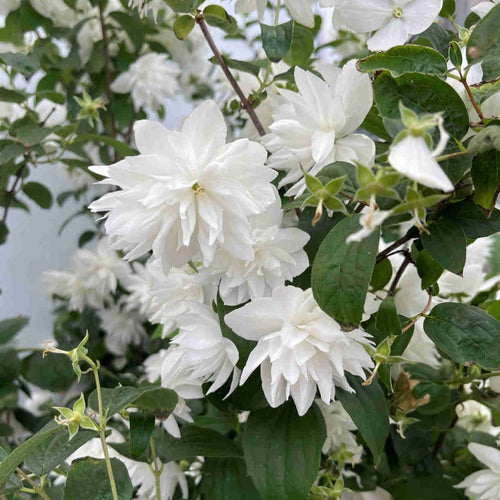
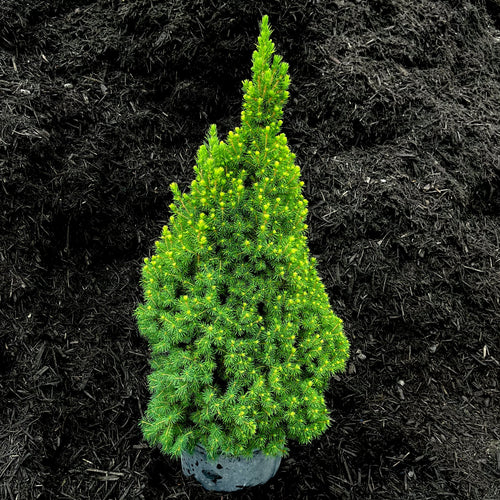
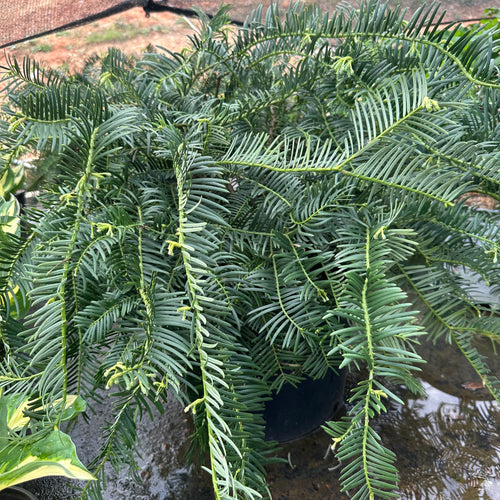
Drupacea Japanese Plum Yew offers white semi-double autumn flowers and a upright evergreen growth habit. This distinctive selection brings color and texture to thoughtfully designed home landscapes. Give the plant room to develop its natural form, especially when placing it close to paths or neighboring shrubs.
Use it as an ornamental accent, a foundation planting, or part of a layered border according to its mature size. Local conditions affect ultimate dimensions and seasonal performance, so plan around the mature plant rather than its nursery container. Good drainage and a suitable exposure help new roots establish.
Why Gardeners Love Drupacea Japanese Plum Yew
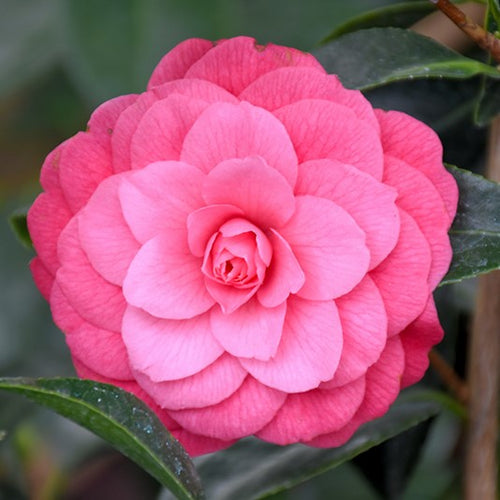
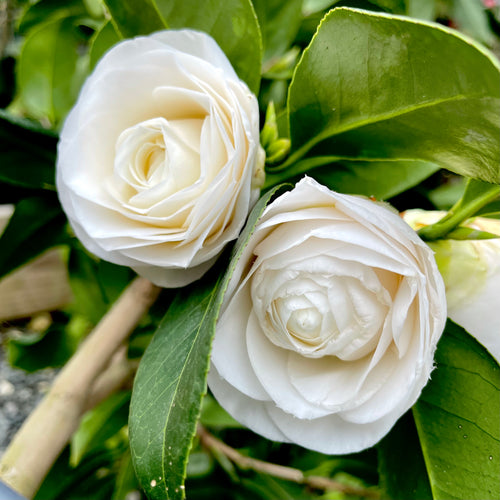
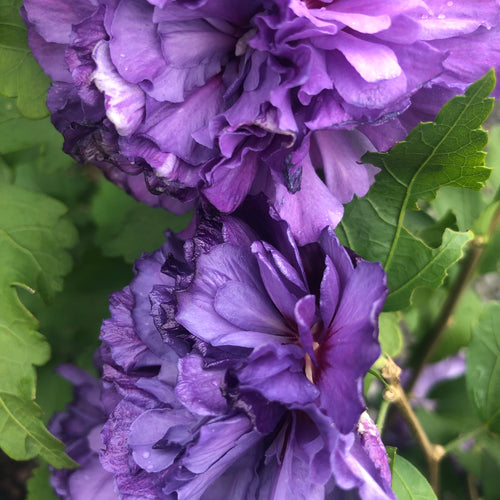
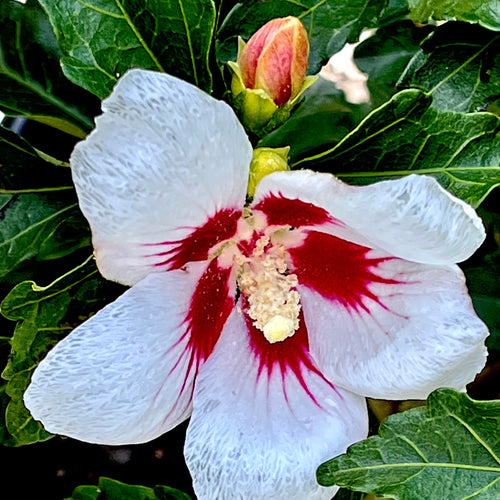
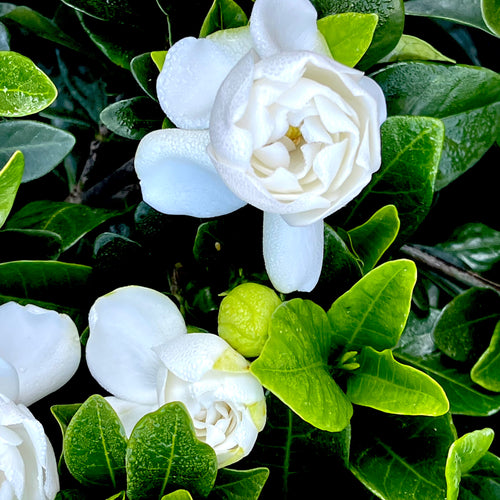
- Signature appearance: The white semi-double autumn flowers create a distinctive focal point among other shrubs and perennials.
- Seasonal interest: Its main display occurs in autumn and early winter, giving gardeners a clear seasonal highlight.
- Landscape versatility: The upright evergreen growth habit works well in a carefully spaced garden border.
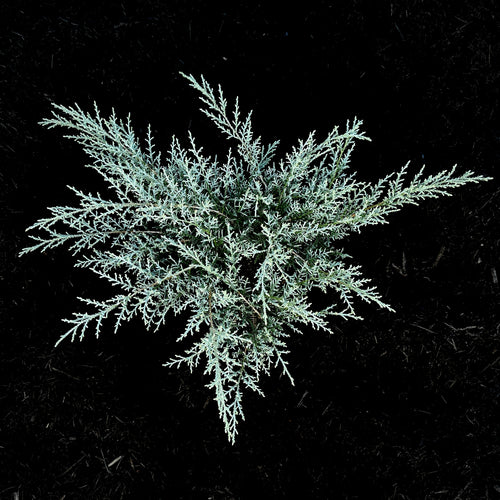
- Texture and structure: Characteristic foliage and branching provide interest beyond the peak display.
- Companion planting: Contrast its form with plants that prefer similar soil moisture and exposure.
Where to Plant Drupacea Japanese Plum Yew
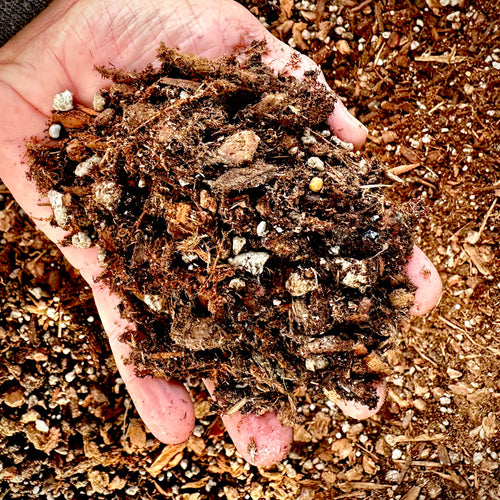
Choose partial shade and well-drained soil. Allow sufficient space for the mature habit and provide shelter from harsh drying winds where needed. Consider how the plant's ornamental features will look beside nearby foliage throughout the growing season.
Growing and Care Tips
Water thoroughly after planting and monitor the root zone during the first growing season. Use mulch to help retain moisture and moderate soil temperature, keeping it away from the main stems. Adjust watering according to rainfall, heat, and drainage rather than a fixed calendar.
The strongest ornamental display is generally in autumn and early winter. Prune damaged growth with clean tools and preserve the plant's natural shape. When flowering buds form on older branches, avoid pruning away the next season's display. Avoid waterlogged roots and unnecessary heavy feeding.
Explore a Related Plant
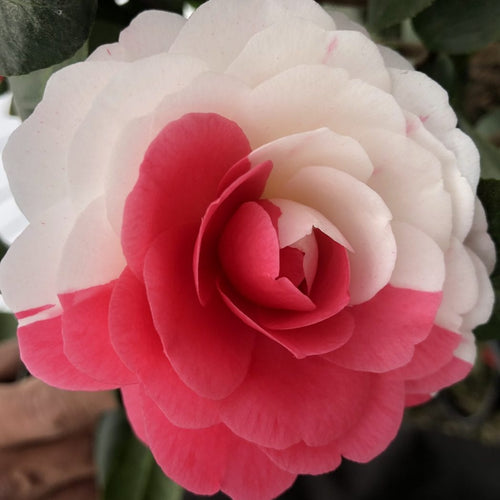
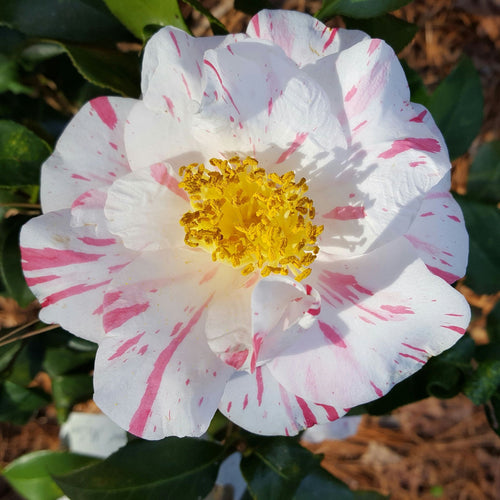
For another garden option, explore Autumn Moon Camellia. Compare mature size, plant form, foliage, and growing conditions to select the right combination.