Camellia 'Tricolor Siebold'
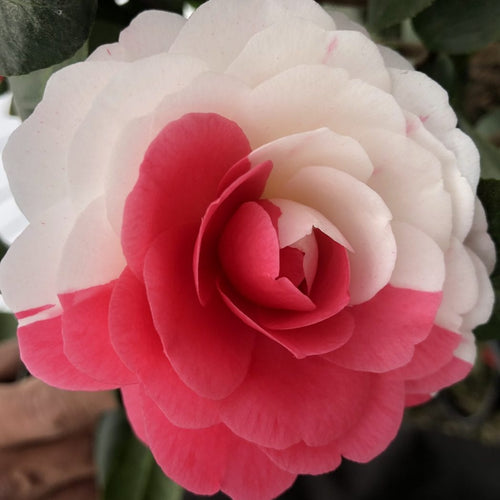
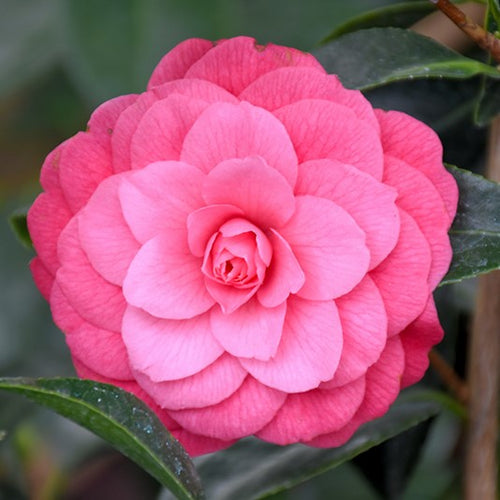
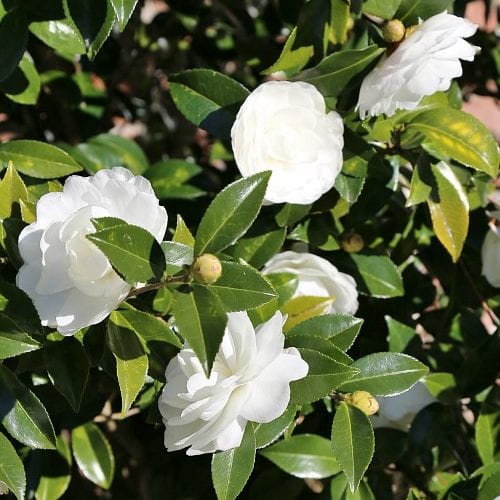
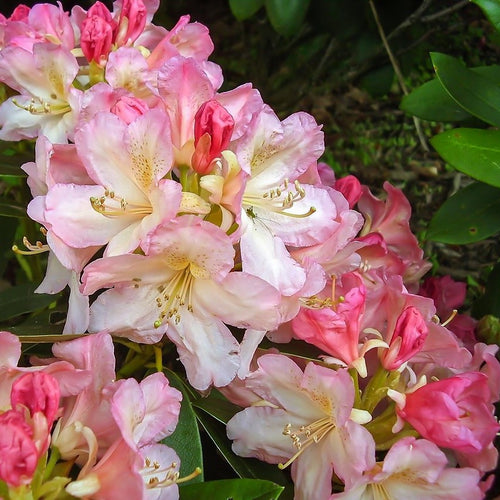
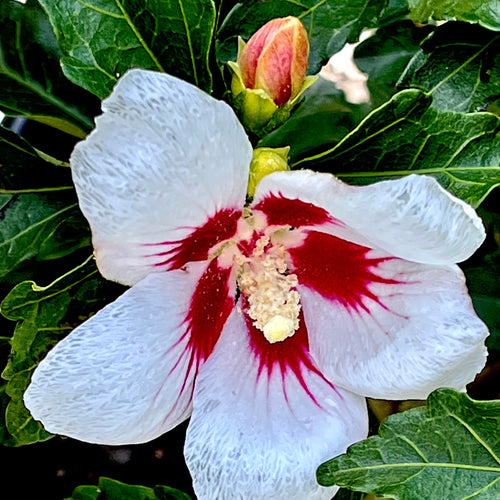
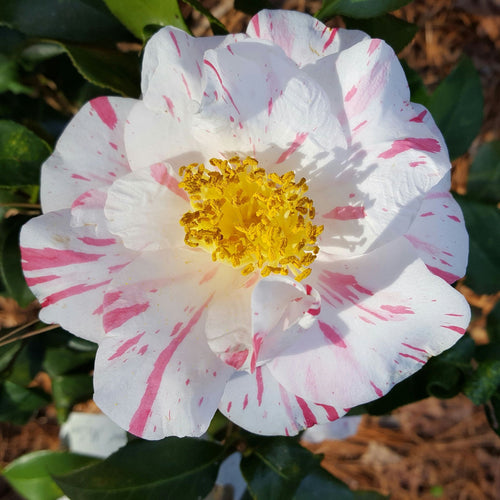
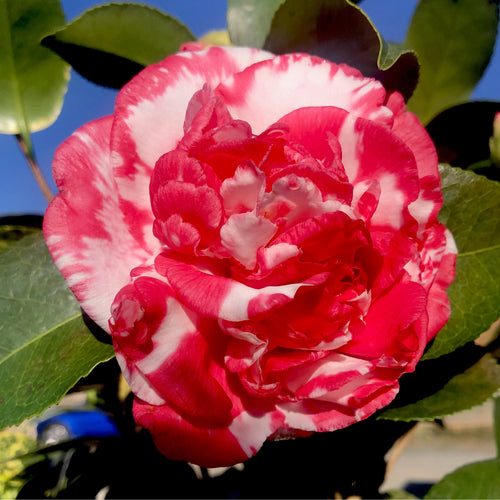
Tricolor Siebold Camellia is prized for flowers that look individually painted. White petals carry irregular red streaks and splashes, and some blooms may lean more strongly red than others. That natural variation gives the plant an old-garden charm that uniform-flowering shrubs cannot quite match.
Why Gardeners Love Tricolor Siebold Camellia
- Painterly blooms: Red markings on white petals make individual flowers noticeably different.
- Winter-to-spring interest: Blooms brighten the garden before many deciduous shrubs leaf out.
- Glossy evergreen leaves: The shrub keeps a handsome backdrop through the year.
- Traditional character: Its distinctive flower pattern suits classic gardens and camellia collections.
- Useful size: A mature plant can serve as a focal point or informal evergreen screen.
Where to Plant Tricolor Siebold Camellia
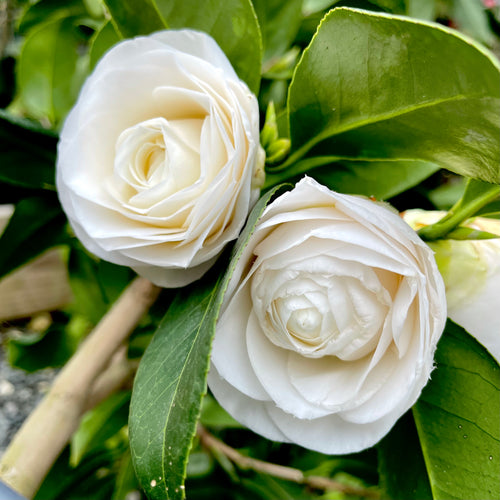
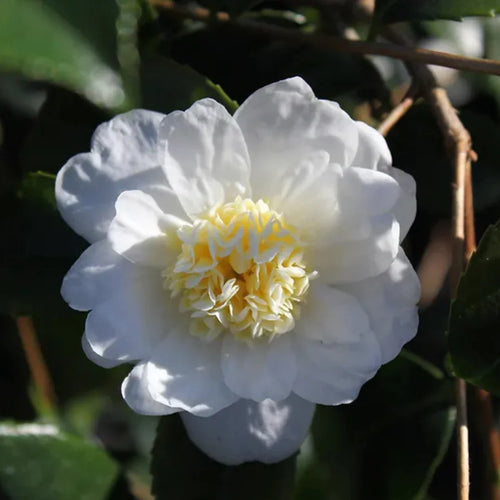
Plant Tricolor Siebold where you can see the flower details up close, perhaps beside a shaded walkway or near a porch. The store lists a mature size near 10 feet tall by 6 feet wide, making it suitable as a substantial background shrub. Its red-and-white blooms pair particularly well with simpler white-flowered camellias.
Growing and Care Tips
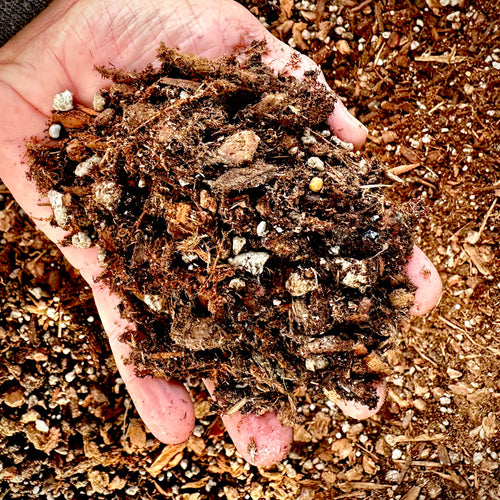
Choose acidic, well-drained soil and a position protected from drying winds. Filtered light or morning sun generally works better than intense afternoon exposure. Water regularly through establishment, then monitor the root zone in dry weather. A layer of pine bark mulch helps protect shallow roots. In dense clay, prioritize drainage over heavy fertilizer. Prune just after flowering if size control is necessary; listed zones are 7–9.
The pleasure of Tricolor Siebold is that its display is not perfectly predictable. One blossom may carry delicate red brushstrokes, while a neighboring flower shows a much stronger splash of color. That makes it a rewarding specimen for a courtyard or path where visitors can notice differences from week to week. Give the shrub a relatively calm background—evergreen foliage, stone, or a simple wall—so the variegated flowers remain the focus rather than competing with other patterned plants.
For reliable flowering, protect developing buds from drying winter winds and sudden swings in soil moisture. Camellia roots are shallow and resent disturbance, so keep mulch over the root zone but away from the main stem. Avoid aggressive pruning into older wood; a light trim after the flowering season usually preserves the natural outline while leaving time for the next set of buds to form.
Explore a Related Plant
For another garden-worthy option, explore Snow Flurry Camellia and compare its form, flowers, and growing needs.