Hydrangea macrophylla 'SMHMES14'
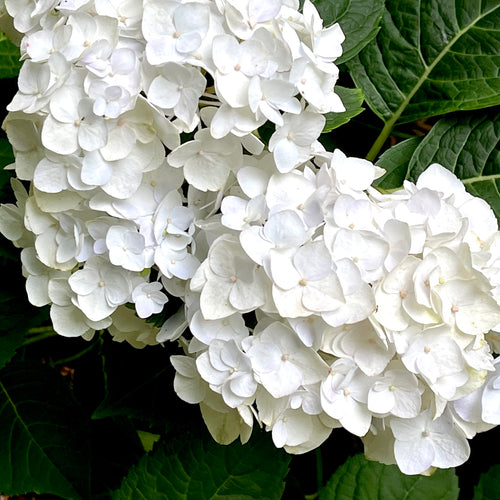
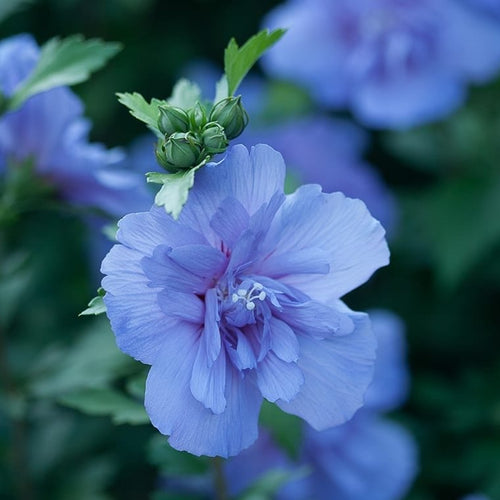
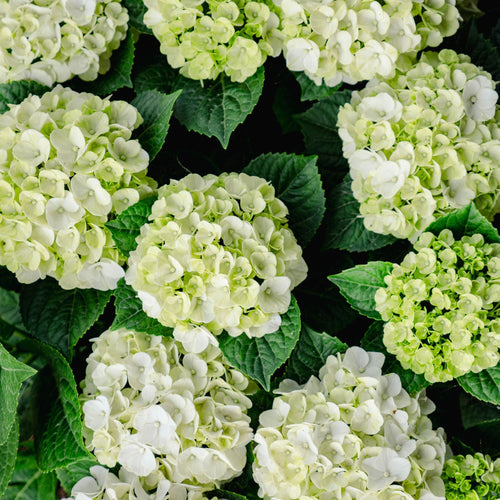
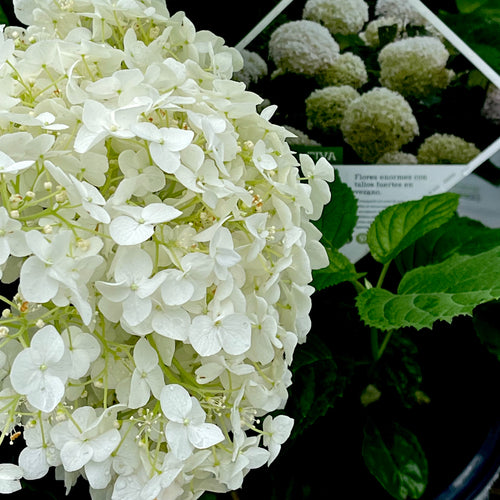
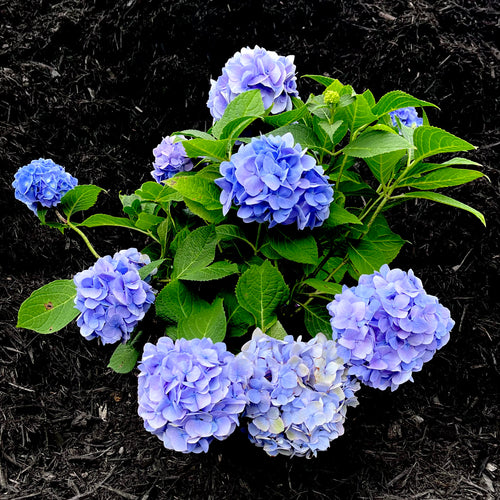
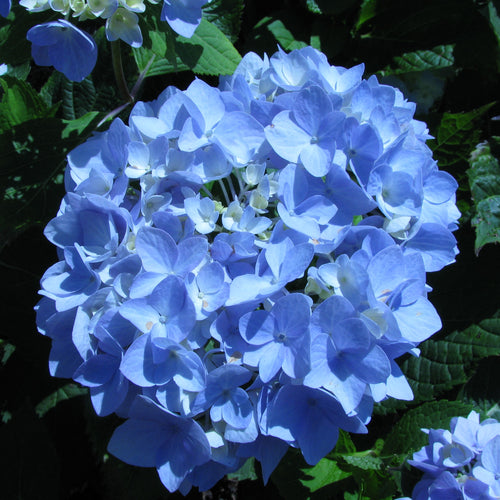
If ordinary mophead hydrangeas feel a little too familiar, Rhythmic Blue brings a striking change of shape. Its densely packed florets create unusually geometric blue flower heads, giving summer borders a sculptural look without sacrificing the lush appeal of a bigleaf hydrangea.
Why Gardeners Love Let's Dance Rhythmic Blue Hydrangea
- Distinctive flowers: The closely arranged florets give each bloom a bold, almost architectural texture that looks especially attractive beside finer foliage.
- Repeat flowering: Flower buds form on old and new wood, offering another chance for color after a difficult winter.
- Useful garden size: At roughly three to four feet tall, it fits near patios, along paths, or into a mixed shrub border.
- Color possibilities: Acidic soil with available aluminum encourages blue blooms; less acidic conditions may shift the flowers toward pink or purple.
- Cut-flower appeal: The substantial flower heads make memorable fresh arrangements and can also be dried.
Rhythmic Blue stands apart from typical mophead hydrangeas because of its tightly arranged, geometric-looking florets. The blooms provide a bold contrast to ferns, fine grasses, and small-leaved evergreens. It is especially appealing near a shaded patio or along a path where the unusual flower structure can be admired.
Although blue is part of its name, flower color can vary with soil chemistry and aluminum availability. Do not add soil amendments blindly. Testing the soil first is a better way to understand why a plant may show blue, purple, or pink tones.
This reblooming hydrangea can flower on both old and new wood, so avoid cutting it to the ground each fall. Wait for spring growth before removing clearly dead stems. Consistent moisture, good drainage, and protection from intense afternoon heat help support healthy leaves and flowers.
Where to Plant Let's Dance Rhythmic Blue Hydrangea
Choose a location with morning sun and afternoon shade, particularly where summers are hot. Give the plant room for air circulation and combine it with ferns or low evergreens for contrast.
Growing and Care Tips
Plant in moist, well-drained soil enriched with organic matter. Water deeply during dry spells, especially while roots establish. Mulch to conserve moisture, keeping mulch off the stems. Because it blooms on old and new wood, avoid hard pruning; remove dead wood after spring growth begins.
Explore a Related Plant
For another option in the same plant group, explore Let's Dance Blue Jangles Hydrangea.