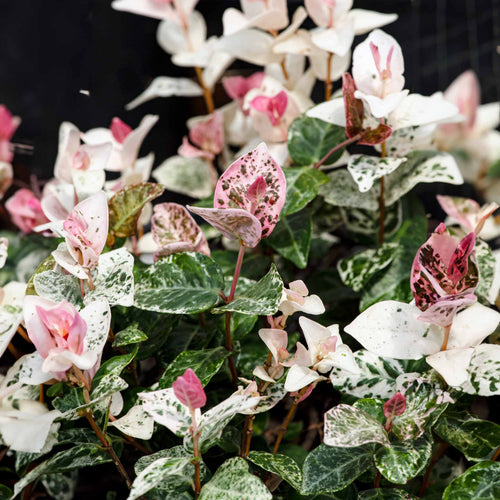
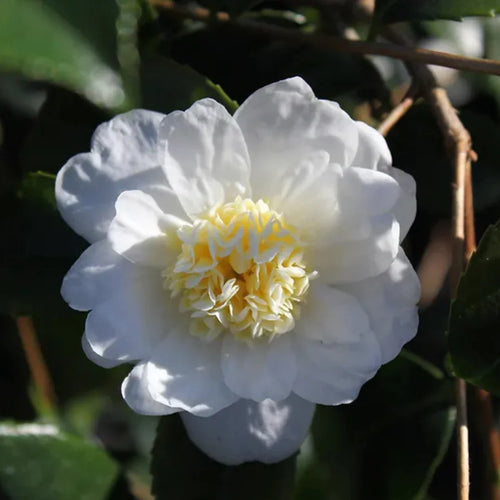
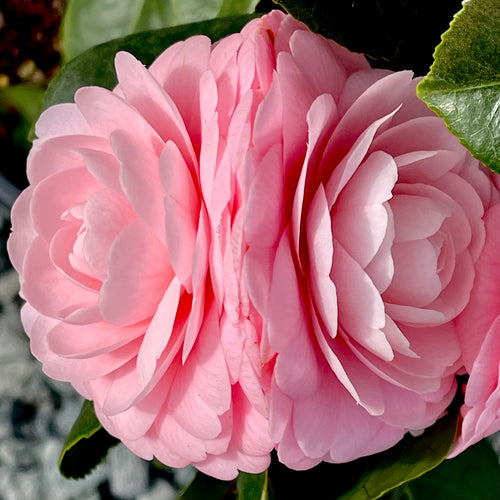
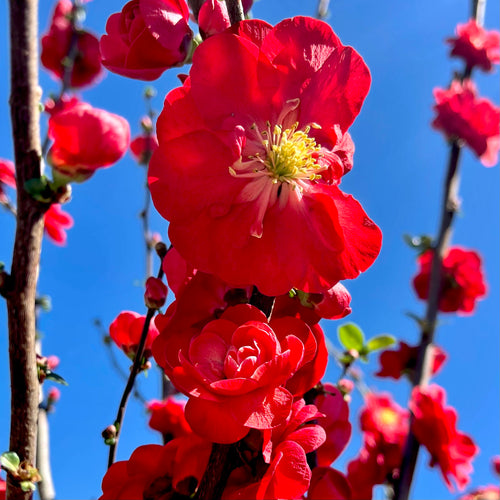
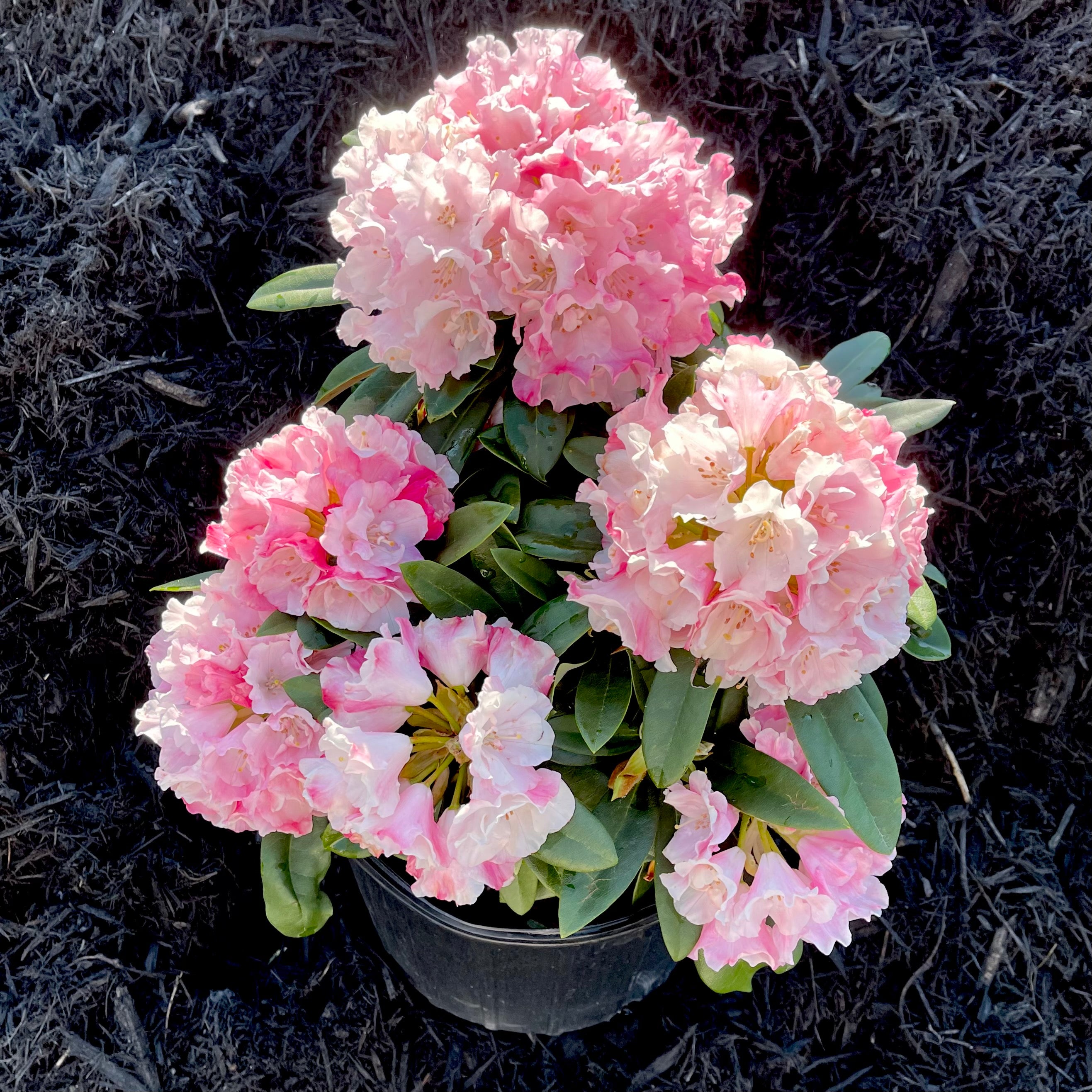
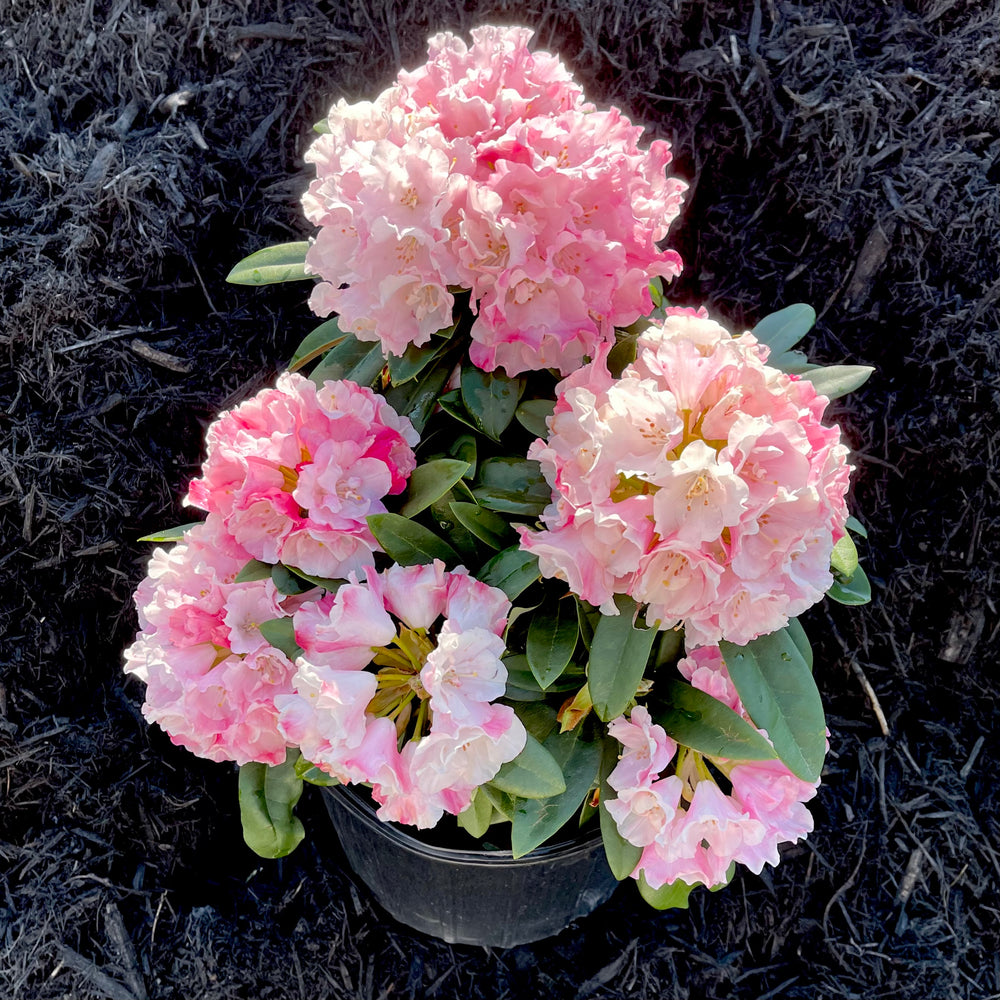
Rhododendron 'Mardi Gras'
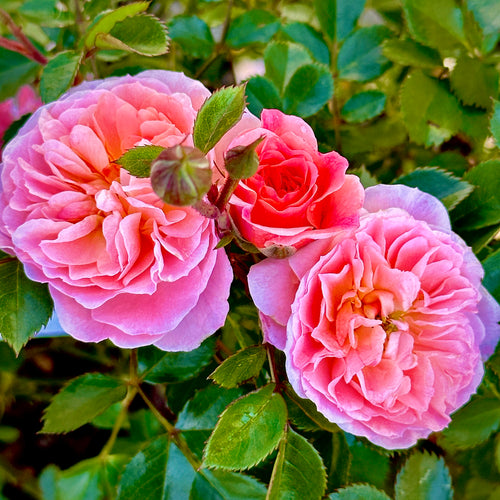
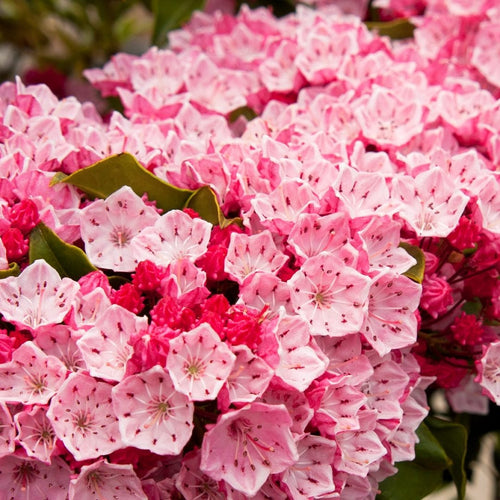
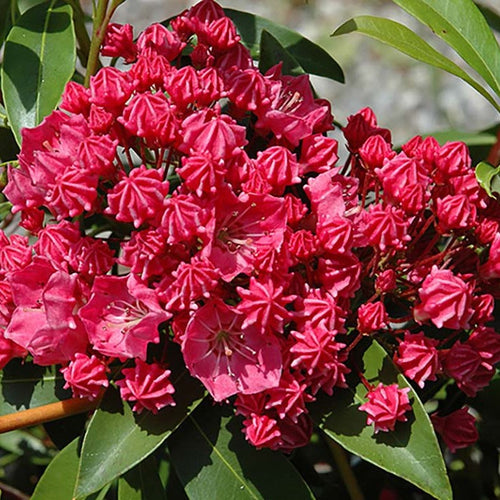
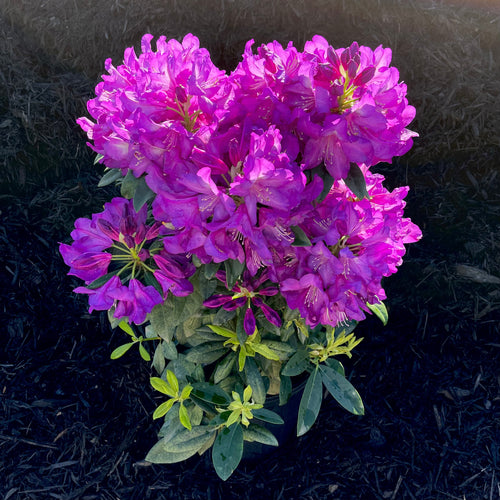
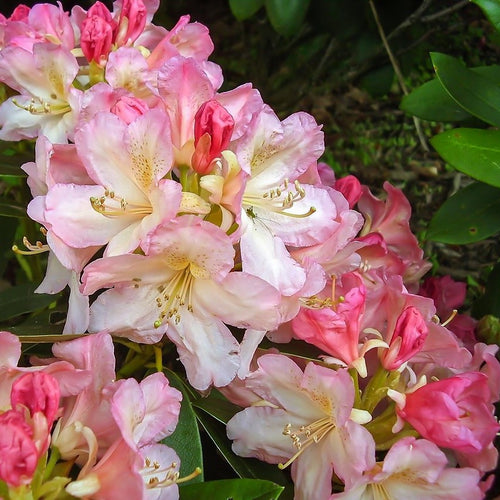
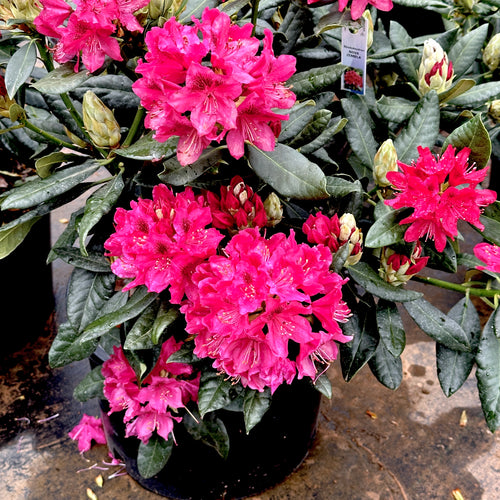
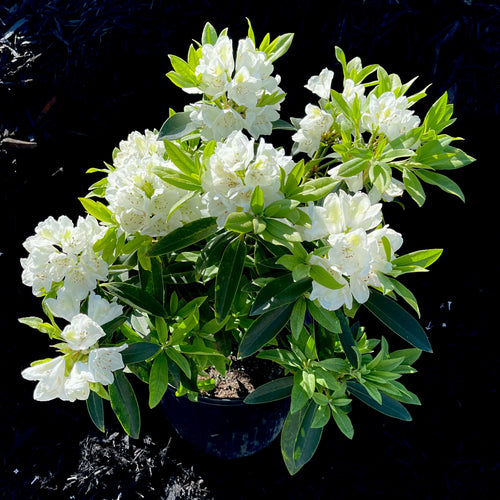
Mardi Gras Rhododendron earns its festive name with richly colored spring flower clusters and handsome foliage that remains interesting long after bloom. Its compact, rounded form and substantial leaves make it especially useful in woodland gardens where texture matters as much as flower color.
Why Gardeners Love Mardi Gras Rhododendron
- Spring flower clusters: Showy trusses bring concentrated color to a shaded garden.
- Attractive leaf texture: Broad, dark leaves create visual weight alongside finer foliage.
- Compact footprint: A mature size near 3 feet makes it manageable in small beds.
- Evergreen interest: The foliage continues to define the planting through winter.
- Woodland compatibility: Works well with mountain laurels, ferns, and other acid-loving shrubs.
Where to Plant Mardi Gras Rhododendron
Place Mardi Gras in a sheltered woodland border, beside a north- or east-facing foundation, or beneath high tree branches where light is filtered. Allow roughly 3 feet for both height and spread. Its dense foliage is a good foil for airy ferns and small-leaved evergreens.
Growing and Care Tips
Rhododendrons thrive in acidic, organic-rich soil with excellent drainage. Their shallow roots appreciate mulch and consistent moisture, especially during establishment, but standing water can cause root problems. Choose filtered shade or gentle morning sun, avoiding reflected heat and harsh afternoon exposure. In heavy clay, prepare a broad raised planting area rather than a deep pocket that collects water. Avoid deep cultivation near the roots and prune lightly after flowering if needed. Listed zones are 5–8.
Mardi Gras is best appreciated as a compact flowering accent rather than a large privacy screen. Tuck it into a planting where its spring trusses can be seen from a nearby path, with finer-textured foliage around it to make the substantial leaves stand out. In a woodland border, repeat small groups of compatible evergreens to give the bed continuity through winter. The flowers supply the seasonal highlight, but the broad leaves are what keep the composition visually grounded the rest of the year.
Before planting, check that the root ball is thoroughly moist; nursery-grown rhododendrons can be difficult to rewet once their growing medium becomes very dry. Set the root flare at or slightly above the surrounding grade and spread mulch beyond the outer branches. Brown leaf edges may reflect winter wind, drought, or root stress, not just cold temperatures. Address exposure and watering first rather than reaching immediately for fertilizer.
Explore a Related Plant
For another garden-worthy option, explore Chionoides Rhododendron and compare its form, flowers, and growing needs.