Hibiscus syriacus 'Notwoodone'
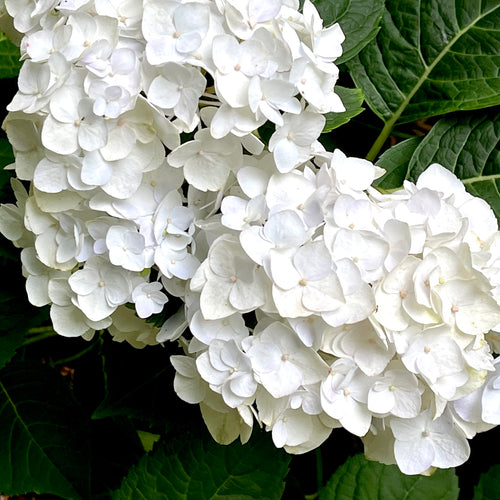
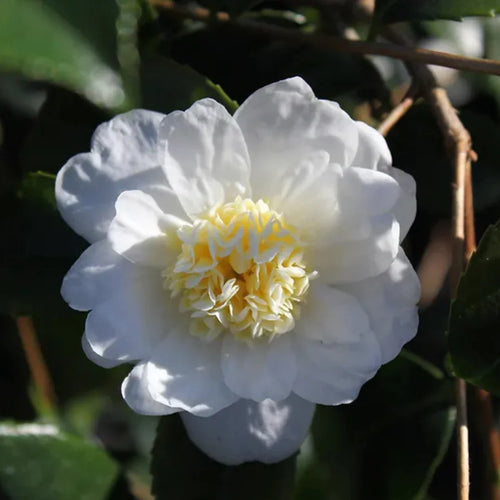
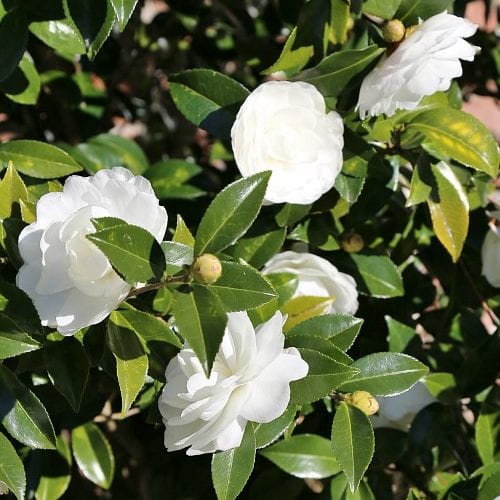
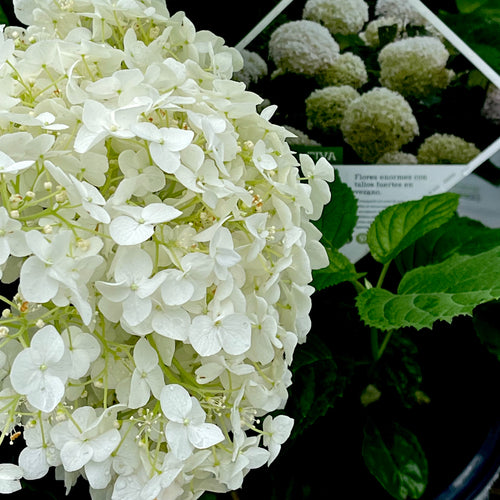
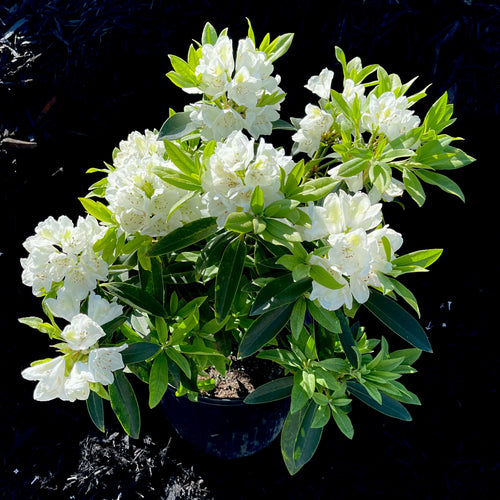
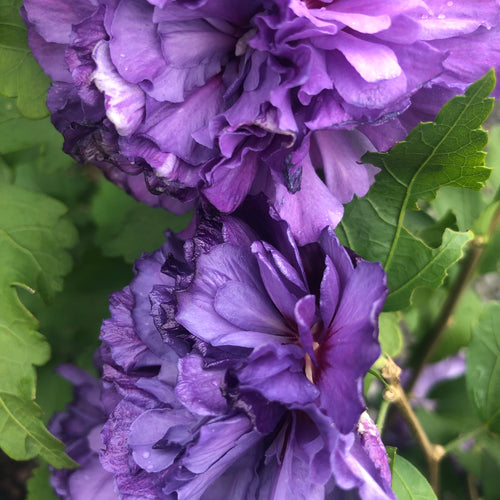
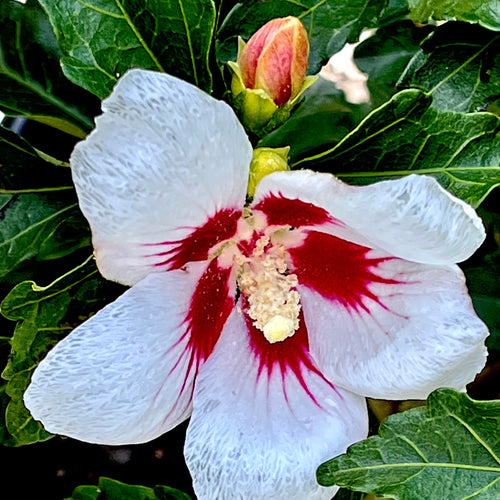
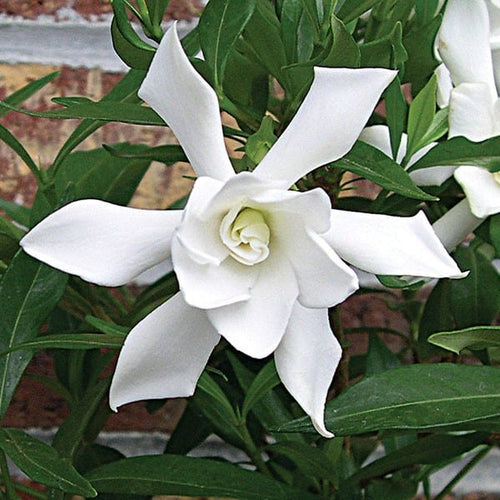
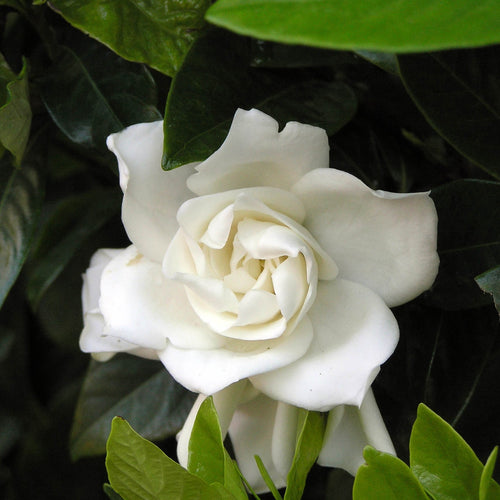
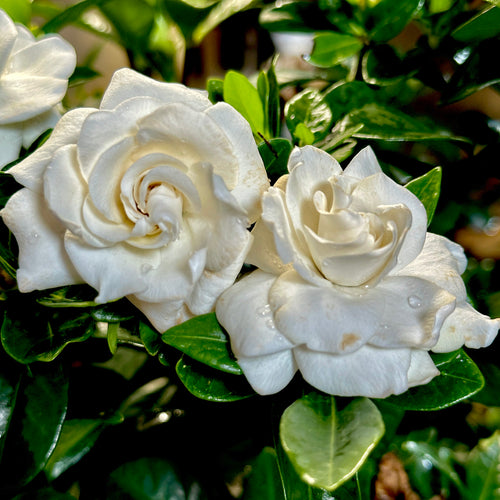
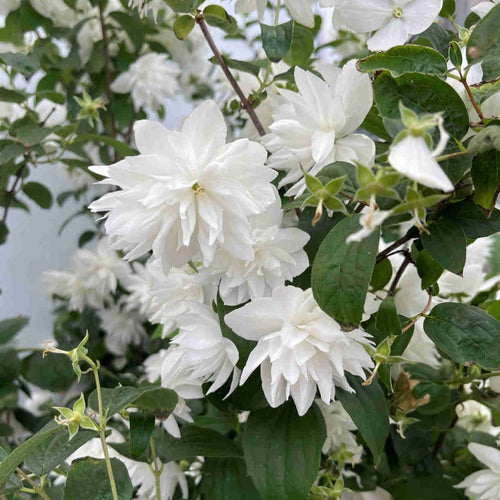
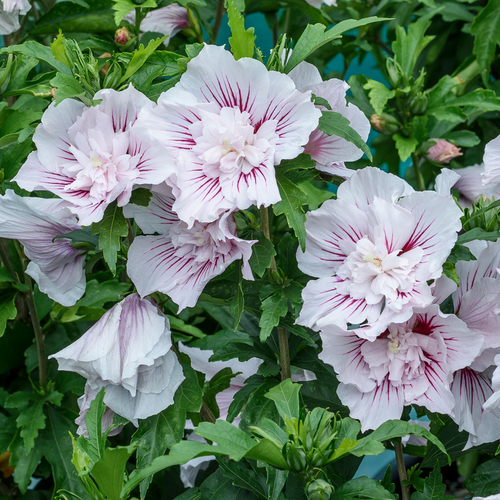
White Chiffon Rose of Sharon brings a bright, airy floral display to the height of summer, when many spring shrubs have finished. Its semi-double white flowers have delicate inner petals that give each bloom a softly ruffled center.
Why Gardeners Love White Chiffon Hibiscus
- Summer flowering: Provides a fresh white display during hot-weather months
- Semi-double blossoms: Ruffled centers distinguish it from plain single-flowered forms
- Upright presence: Can add height to the back of a sunny mixed border
- Pollinator visits: Open portions of the flowers can attract bees and other insects
- Deciduous reliability: Returns with new foliage and flowers each growing season in suitable zones.
Where to Plant White Chiffon Hibiscus
Use it as a flowering accent or in a loose grouping where its mature height will not crowd windows or walkways. White blooms pair especially well with dark evergreens and purple-leaved shrubs.
Growing and Care Tips
Plant in full sun and well-drained soil. Water during the first growing season and during prolonged drought. Prune in late winter or early spring if shaping is needed, since Rose of Sharon flowers on new growth.
Explore a Related Plant
For a similar rose of Sharon with pink flowers, see Pink Chiffon Hibiscus.